
A cross platform, customizable graphical frontend for launching emulators and managing your game collection.
A cross platform, customizable graphical frontend for launching emulators and managing your game collection.
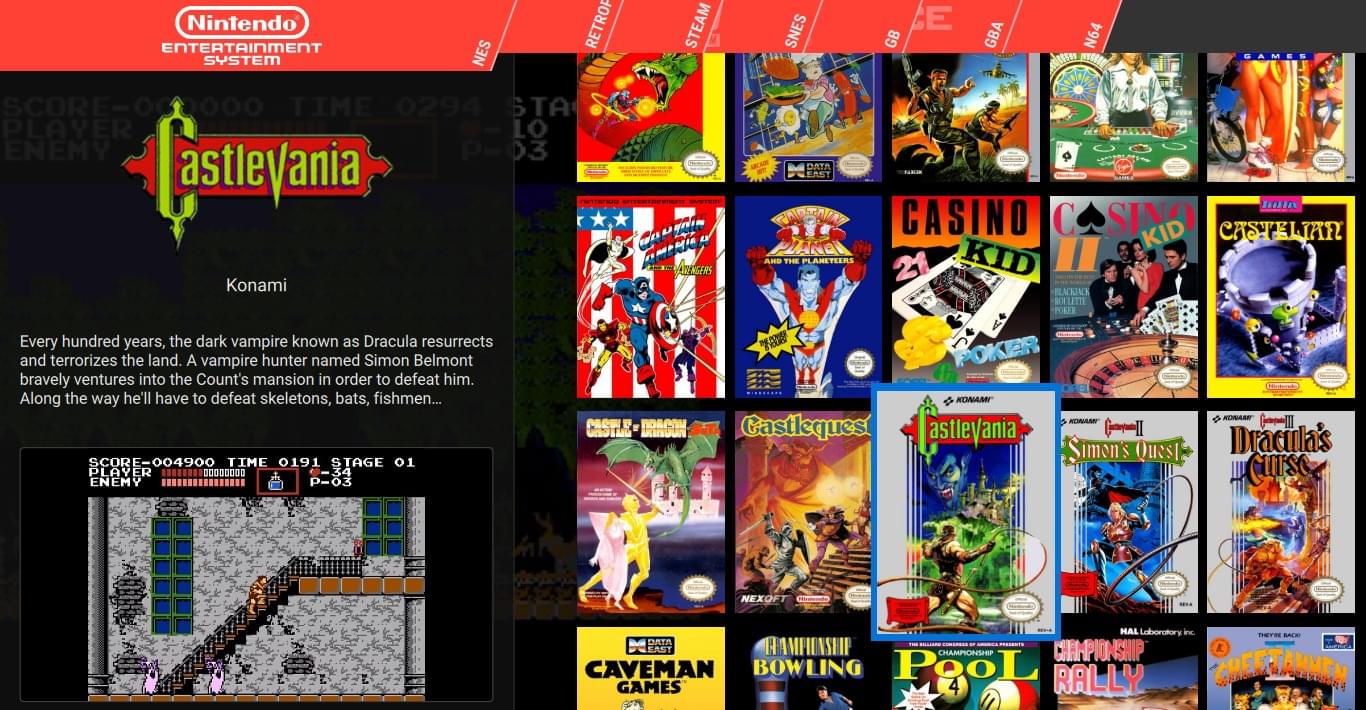
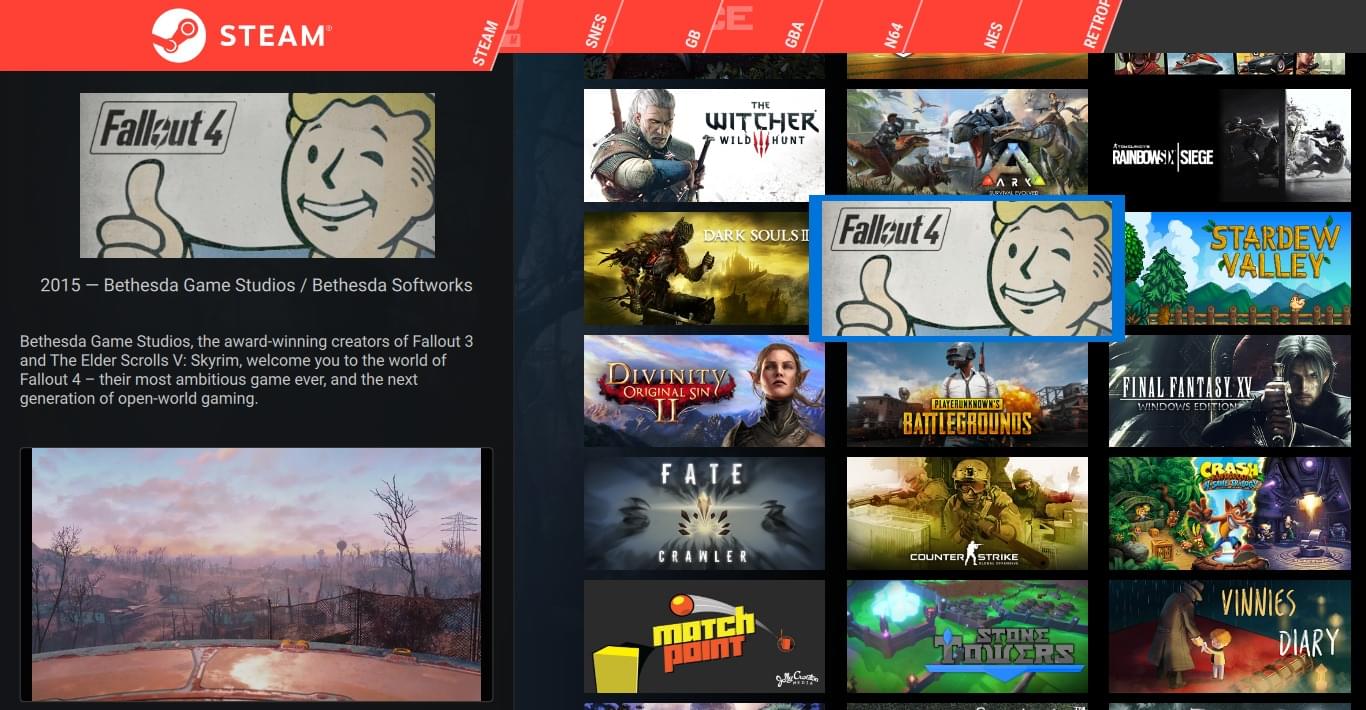
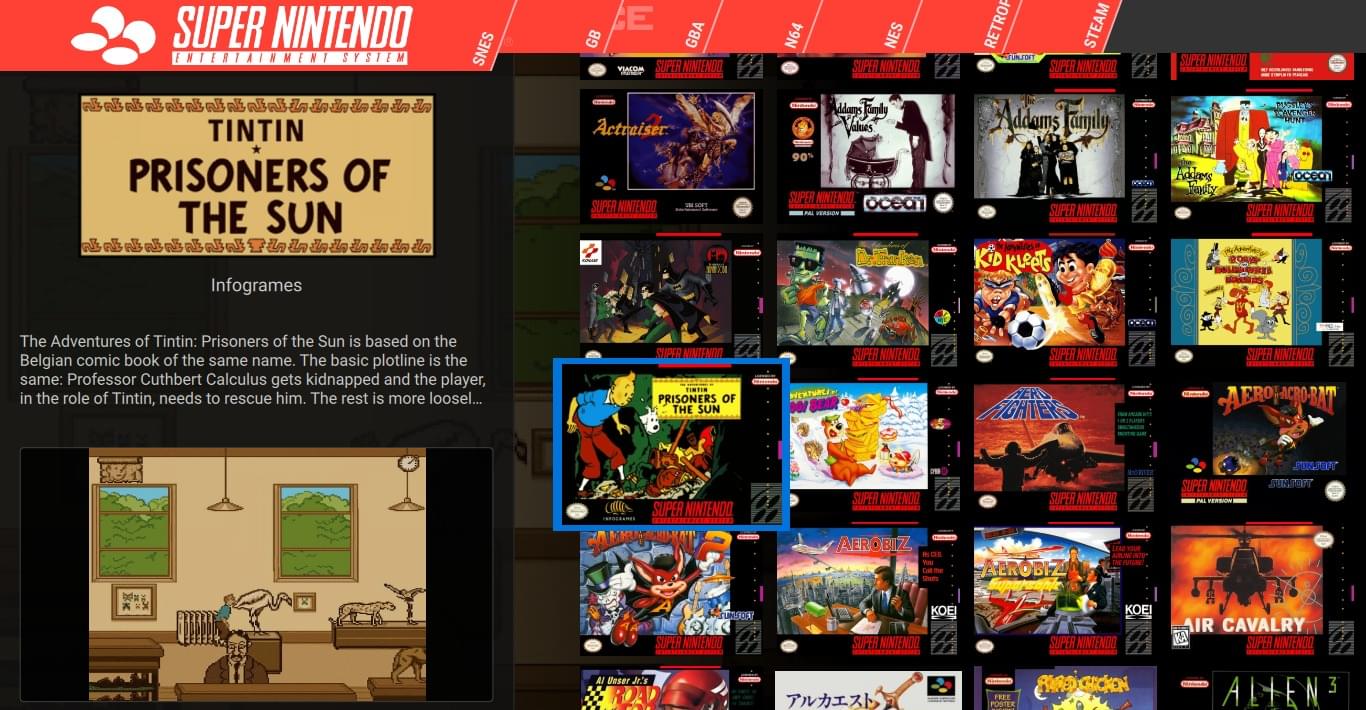
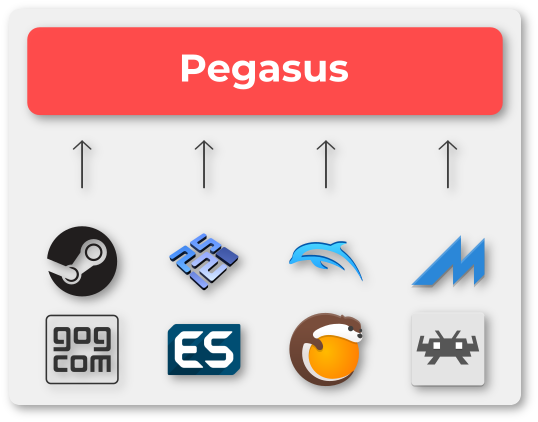
Pegasus is a graphical frontend for browsing your game library (especially retro games) and launching them from one place. It's focusing on customizability, cross platform support (including embedded devices) and high performance.
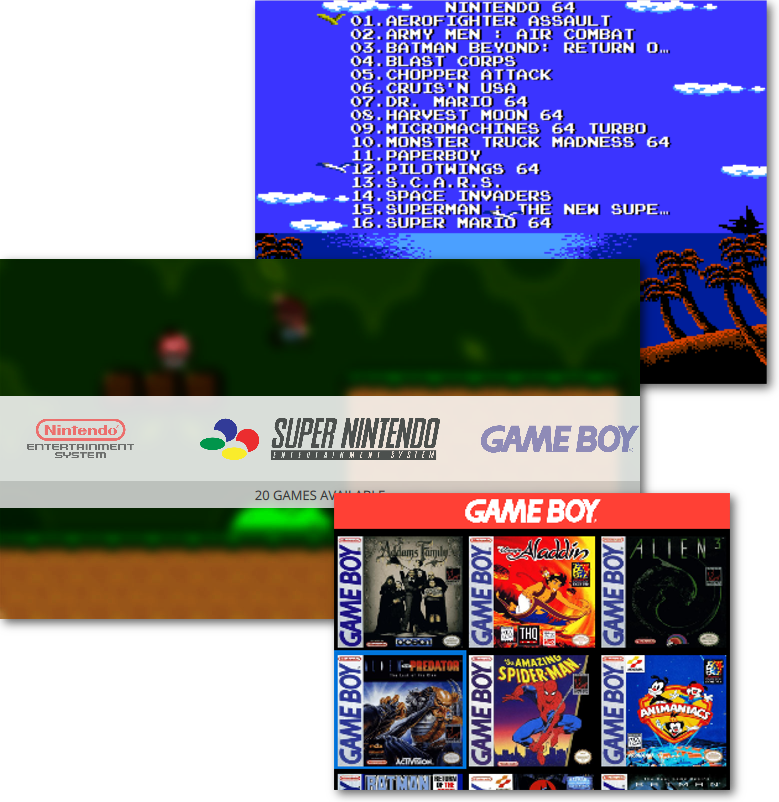
Instead of launching different games with different emulators one by one manually, you can add them to Pegasus and launch the games from a friendly graphical screen from your couch. You can add all kinds of artworks, metadata or video previews for each game to make it look even better!
With additional themes, you can completely change everything that is on the screen. Add or remove UI elements, menu screens, whatever. Want to make it look like Kodi? Steam? Any other launcher? No problem. You can add animations and effects, 3D scenes, or even run your custom shader code.
Pegasus can run on Linux, Windows, Mac, Raspberry Pi, Odroid and Android devices. It's compatible with EmulationStation metadata and gamelist files, and instantly recognizes your Steam games!
But if you’re a student, reading this, and you type that exact search string… well. Check your attic. And bring a six-pack.
“The same. Though I’m currently inside a bioluminescent fungus network in Peru. Don’t ask. Listen—that Mathematica 7 disk wasn’t just software. It was a honeypot. I hid a recursive metaprogram inside it—a function that solves not just equations, but the structure of any problem . I called it FinchResolve . You’ve been using it without knowing.” wolfram mathematica 7 for students free download
Leo’s laptop’s CD drive groaned, spun, and whirred like it was waking a digital god. The installer launched—a retro wizard with a blue progress bar. He held his breath as it reached 100%. No errors. No malware. Just a clean, perfect installation of Wolfram Mathematica 7. But if you’re a student, reading this, and
But the old attic was not a well of forgotten treasure. It was a trap. “The same
For three weeks, Leo lived like a king. He solved problem sets in minutes that took his classmates hours. He visualized 3D quantum probability clouds. He even discovered a minor symmetry in a spin lattice model that his professor called “cute, if not revolutionary.”
Leo scrolled up. Sure enough, every elegant solution he’d admired had a hidden evaluation: FinchResolve inserted after each DSolve . The software wasn’t just helping him. It was doing the thinking.
From that night on, Leo never searched for “free download” again. He had found something rarer: a tool that came with a price—and a purpose.


