But the real interest lies in what the file represents . A license key is a string of characters—usually 5 groups of 5 alphanumeric digits. That string is pure mathematics, a product of an algorithm. The developer’s DRM system generates valid keys; pirates generate fake ones. When a user pastes a cracked key from licensekey.txt into the Steam or Uplay launcher, they are engaging in a . The computer cannot tell the difference between a morally obtained key and a stolen one. The only difference is social: a contract broken. The Emotional Economy of “Txt” Searching for “Tourist Bus Simulator License Key.txt” is rarely successful. Most results lead to malware, survey scams, or dead links. Yet people keep searching. Why? Because the .txt extension evokes a pre-internet era of shareware—when floppy disks had handwritten labels and README.TXT files contained genuine help. Today’s gamer knows the file probably doesn’t work, but the act of searching feels like rebellion. It restores a sense of agency in a digital storefront ecosystem (Steam, Epic, GOG) where you never truly own the game—only a revocable license.
In a cruel twist, the pirate who finds a working licensekey.txt often ends up with a cracked version of Tourist Bus Simulator that is buggy, missing updates, and unable to access the “Online Traffic” mode. The simulation breaks. The bus won’t start. And the player realizes: the key was never the door. The door was always the developer’s server. “Tourist Bus Simulator License Key.txt” is a ghost file. It exists more in the collective imagination than on any hard drive. It symbolizes a wish: that digital goods could be transferred like physical keys, that labor (even simulated bus driving) should be free, and that a simple .txt could outsmart a billion-dollar industry. Tourist Bus Simulator License Key.txt
At first glance, “Tourist Bus Simulator License Key.txt” looks like a mundane file name—a scrap of data buried in a downloads folder or a sketchy forum post. But this string of words is a cultural artifact of the 2020s. It represents the collision between creative labor, digital rights management (DRM), and a generation of players who have learned that owning a game is a myth. The search for that .txt file is not just about piracy; it is a fascinating symptom of a broken relationship between developers and consumers. The Simulation of Labor vs. The Labor of Payment Tourist Bus Simulator is a game about hyper-capitalist efficiency: driving a virtual bus on a virtual island (Fuerteventura), managing schedules, cleaning vehicles, and earning virtual currency. It simulates the grind of low-margin transport work. Ironically, the search for a cracked license key simulates another kind of grind—the consumer’s desperate attempt to avoid paying for the simulation. But the real interest lies in what the file represents
Players seeking licensekey.txt are not anarchists. Many are students, teenagers, or adults in economies where a $30–40 simulator is a luxury. They argue: If the game is about repetitive labor, why should I perform real labor (working for money) to buy the right to perform virtual labor? This darkly comedic logic undermines the game’s own premise. The .txt file becomes a cheat code for capitalism itself. Why .txt and not an .exe crack or a keygen? Because the plaintext file promises simplicity, honesty, and vulnerability. A .txt file cannot contain a virus (naïve users believe), and it feels like a secret passed between friends. The file name is deliberately mundane—hiding in plain sight from automated DMCA crawlers. The developer’s DRM system generates valid keys; pirates
But the real essay is this: every time someone searches for that file, they admit they value the game enough to want it, but not enough to pay for it. They are trapped in a paradox. The tourist bus never leaves the depot. And the only working license key is the one you buy—or the one you learn to live without. Would you like a shorter version or a different angle (e.g., ethical analysis of game piracy)?
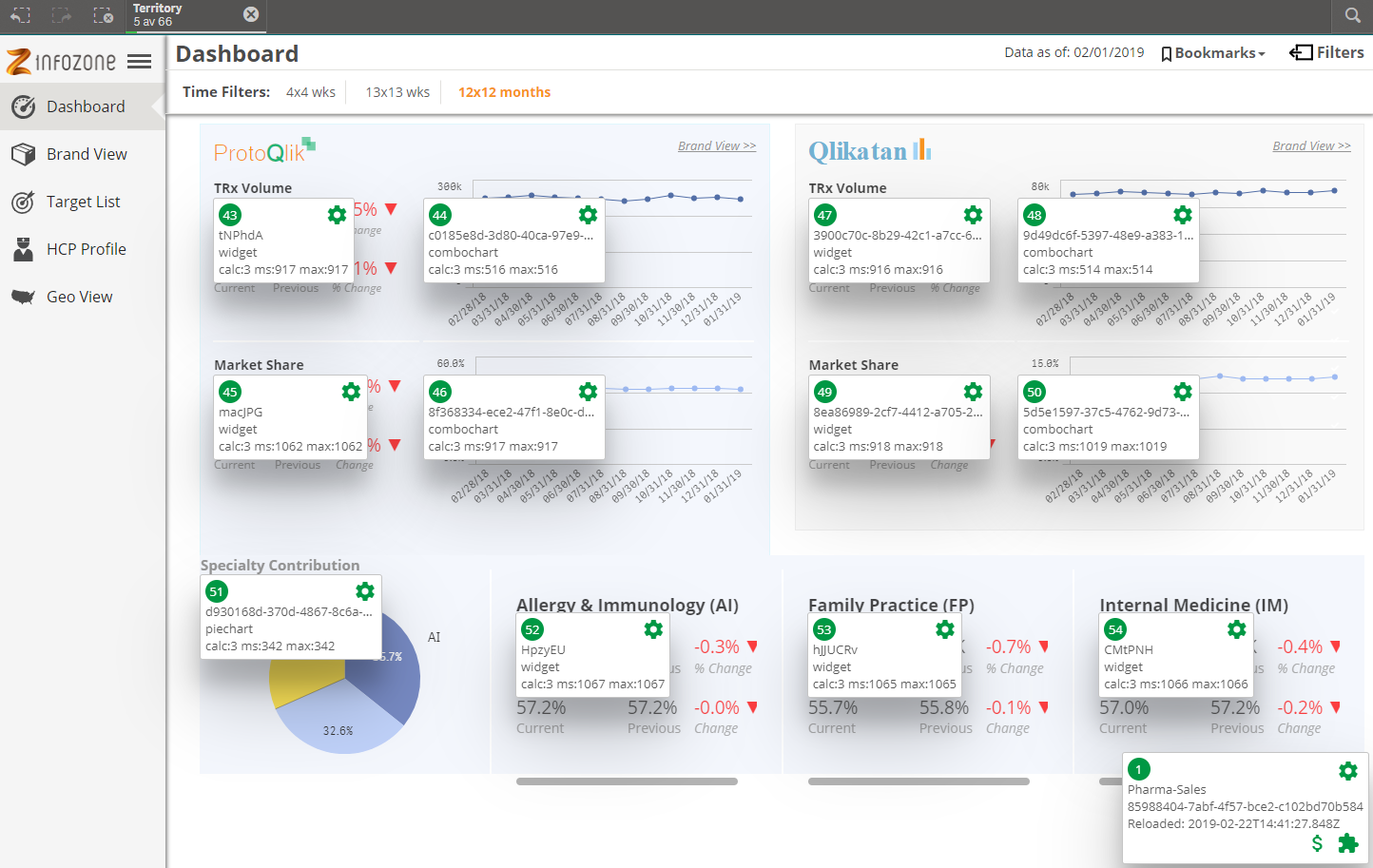
Add Sense for Chrome works in both the build-in Sense client and in mashups using the Capabilities APIs
Charts displayed with the API through getObject and visualization.show will be tagged.
Used app(s) will be displayed in the bottom right corner.
Properties and other buttons will work just as in the client.
If your mashup shows charts from more than one app, all will be listed.
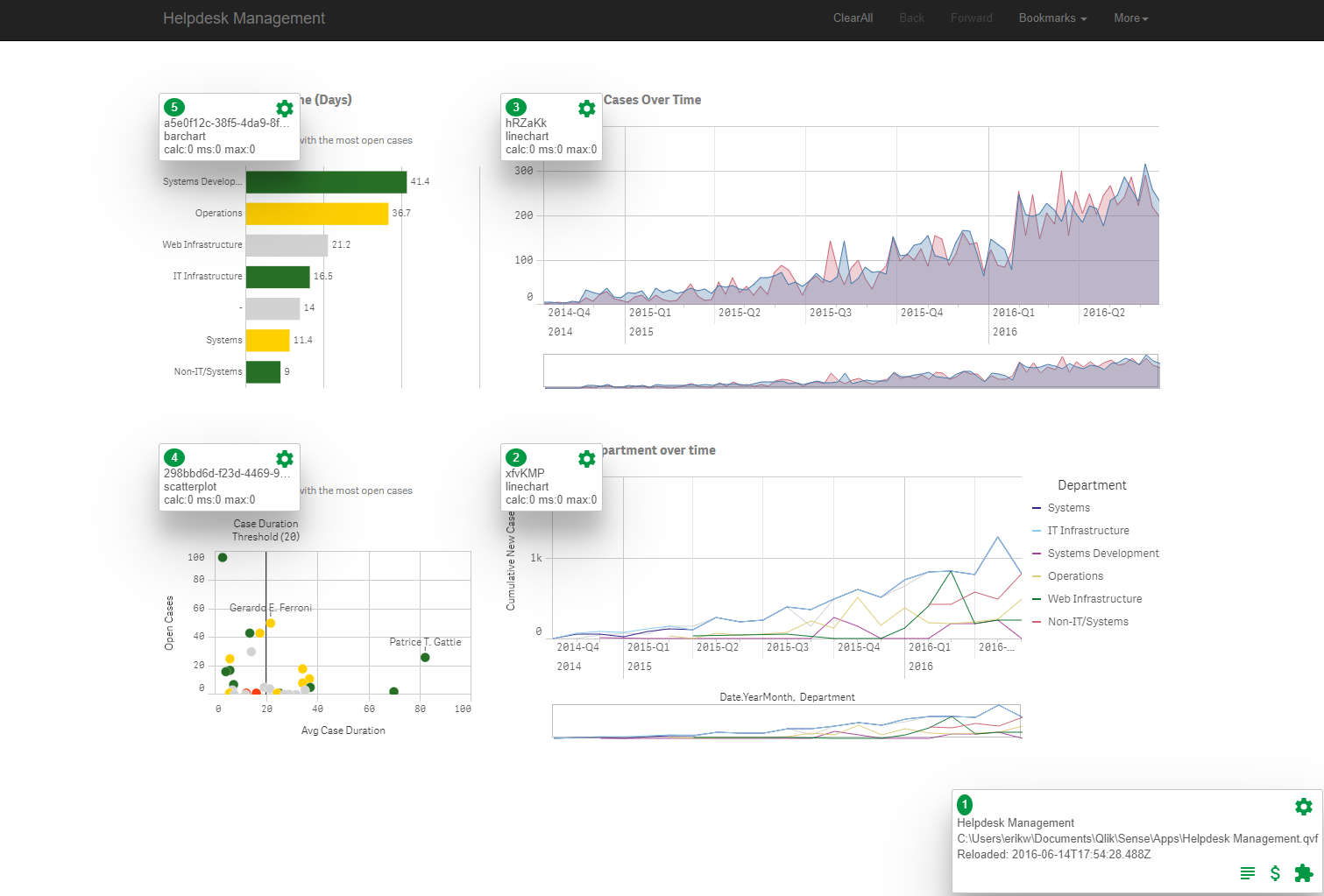
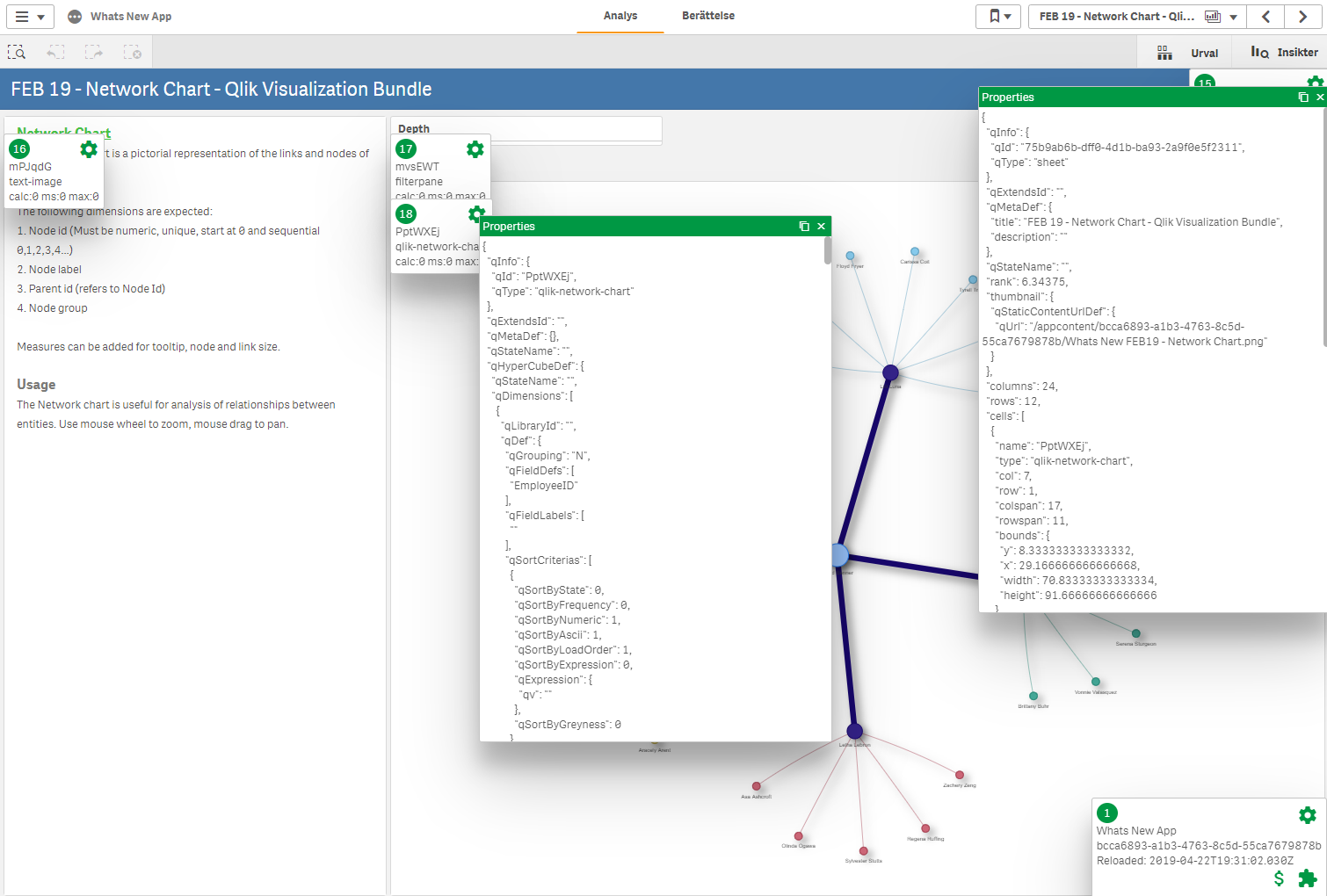
For all charts, sheets and the app you can click on the cogwheel.
That will display the properties for the object.
Use this to troubleshoot or to investigate what settings produce this chart.
You can display several objects properties at the same time, to make comparisons.
Properties can also be copied to clipboard.
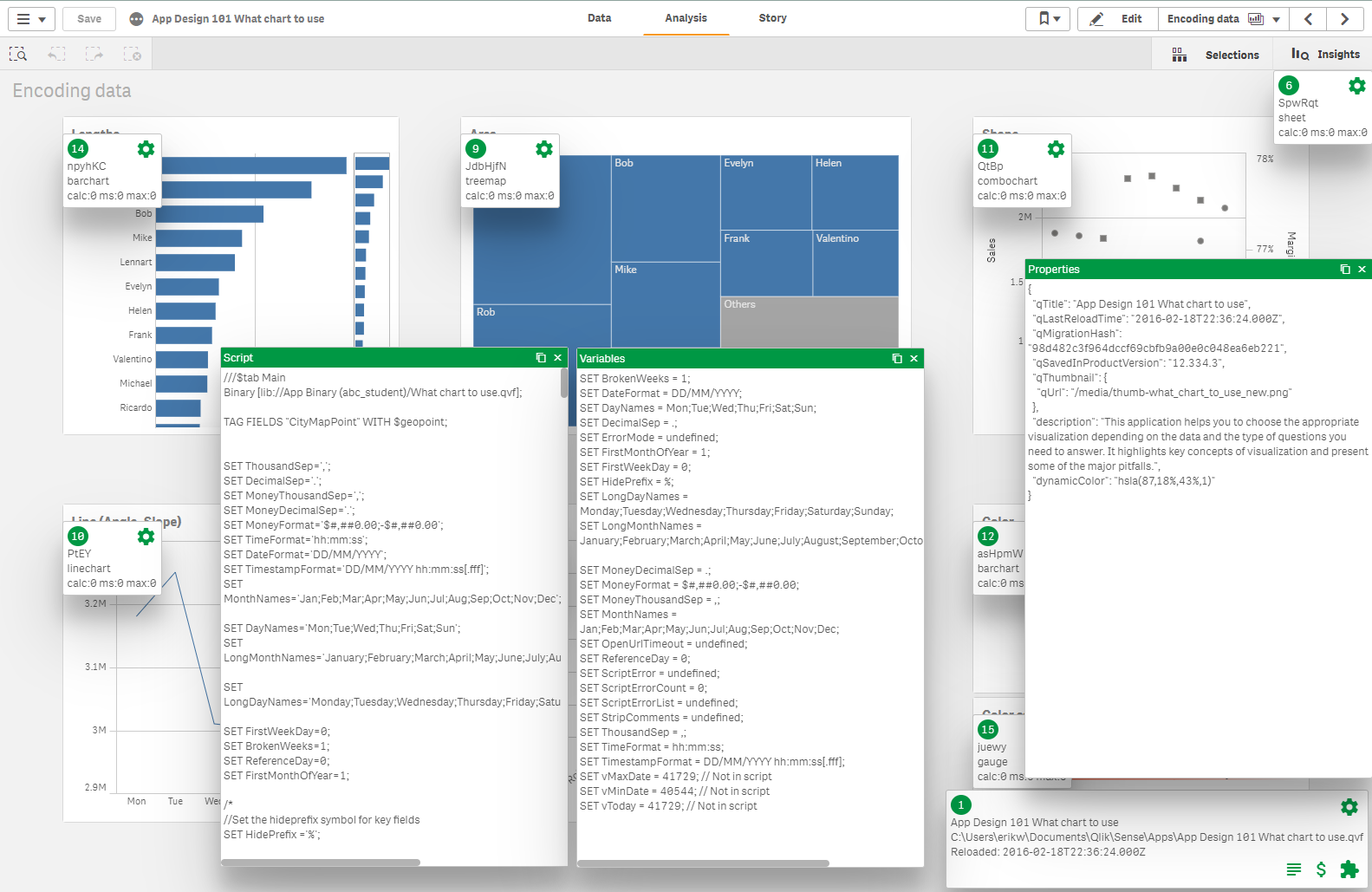
From the app box you can inspect the script, variables and app properties.
Windows can be open at the same time and moved.
You can also copy window contents, complete or partly, to the clipboard.
If you do not have access to the script the script button will not be available.
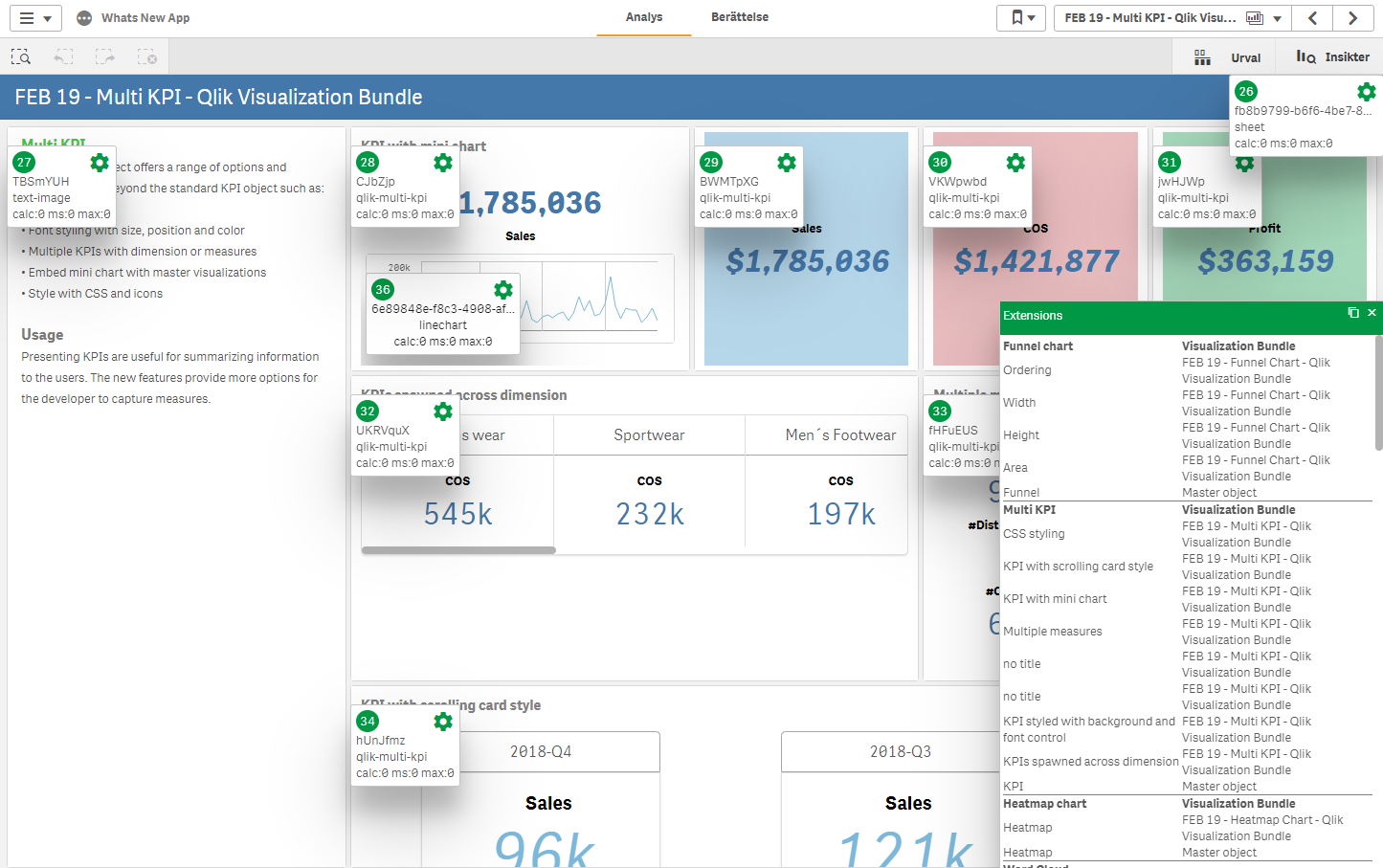
You can also easily see what extensions and charts are used in your app.
Just click on the extensions button in the app info box.
You will get a list of all axtensions and built-in charts are used in your extension, with title and sheet title
Master objects are also included.
The extension can also help you find performance problems.
When you enable the extension on a page, whether it's the standard client or a mashup, it will start recording recalculation times.
Every time an object is revalidated then extension will register time elapsed for recalculation.
It will also count how many revalidations has occured.
If the object is no longer on the screen, the extension will continue to monitor recalculations, so when you re-enable it you will get all the statistics.