


 Mijn Binge



Ontdek onze kijktips
Uit de eindeloze stroom content op alle streamingdiensten kiest Binge enkel de beste, leukste, spannendste, grappigste en populairste films en series.
The most destructive aspect of searching for romantic storylines is the fixation on the destination rather than the journey . In gaming, players will reload a 10-hour-old save file because they chose the wrong dialogue option and “locked out” the romance path. In real life, people stay in bad relationships because they have invested three seasons into the storyline and feel entitled to a happy ending.
The problem begins when searching becomes the primary goal. In dating apps, this is the “swipe fatigue” where every profile blurs into a generic bio. In fiction, it’s the frustration of a “fake romance” tag where the couple has zero chemistry but the plot demands they kiss in chapter 30. Searching for- muchasexo in-
We forget that the best romantic storylines— Casablanca, La La Land, 500 Days of Summer —are often about failed connections. By searching so hard for a neat narrative (Meet -> Conflict -> Resolution -> Wedding), we reject the beautiful messiness of ambiguity. The most destructive aspect of searching for romantic
When done right, the found storyline provides a sense of earned catharsis . The dopamine spike when two characters finally confess is chemically similar to winning a bet. For the single person searching in real life, each new match or flirtatious text carries the same narrative weight: Is this the inciting incident? The problem begins when searching becomes the primary goal
In an era of dating apps, bingeable rom-coms, and 100-hour RPGs with romanceable NPCs, the act of searching for love—or even just a compelling romantic arc—has become a genre unto itself. Whether you are a reader hunting for a slow-burn subplot, a gamer trying to unlock the “true love” ending, or a single person navigating Hinge, the experience is remarkably similar. It is equal parts dopamine rush and existential exhaustion.
The primary allure of searching for a romantic storyline is the architecture of hope. In media, the best romantic subplots (think Pride and Prejudice or Mass Effect’s Garrus Vakarian) offer a structured payoff that real life rarely guarantees. When you actively search for this, you become a literary detective. You analyze lingering glances, dissect dialogue trees, and anticipate the “tent scene” or the “almost-kiss.”
Worse is the phenomenon of . When you are aggressively searching for a storyline, you stop seeing people (or characters) as individuals and start seeing them as archetypes: The Grumpy One, The Manic Pixie, The Childhood Friend. This reduces the messy, awkward reality of connection into a checklist of tropes.







 Zet op kijklijst
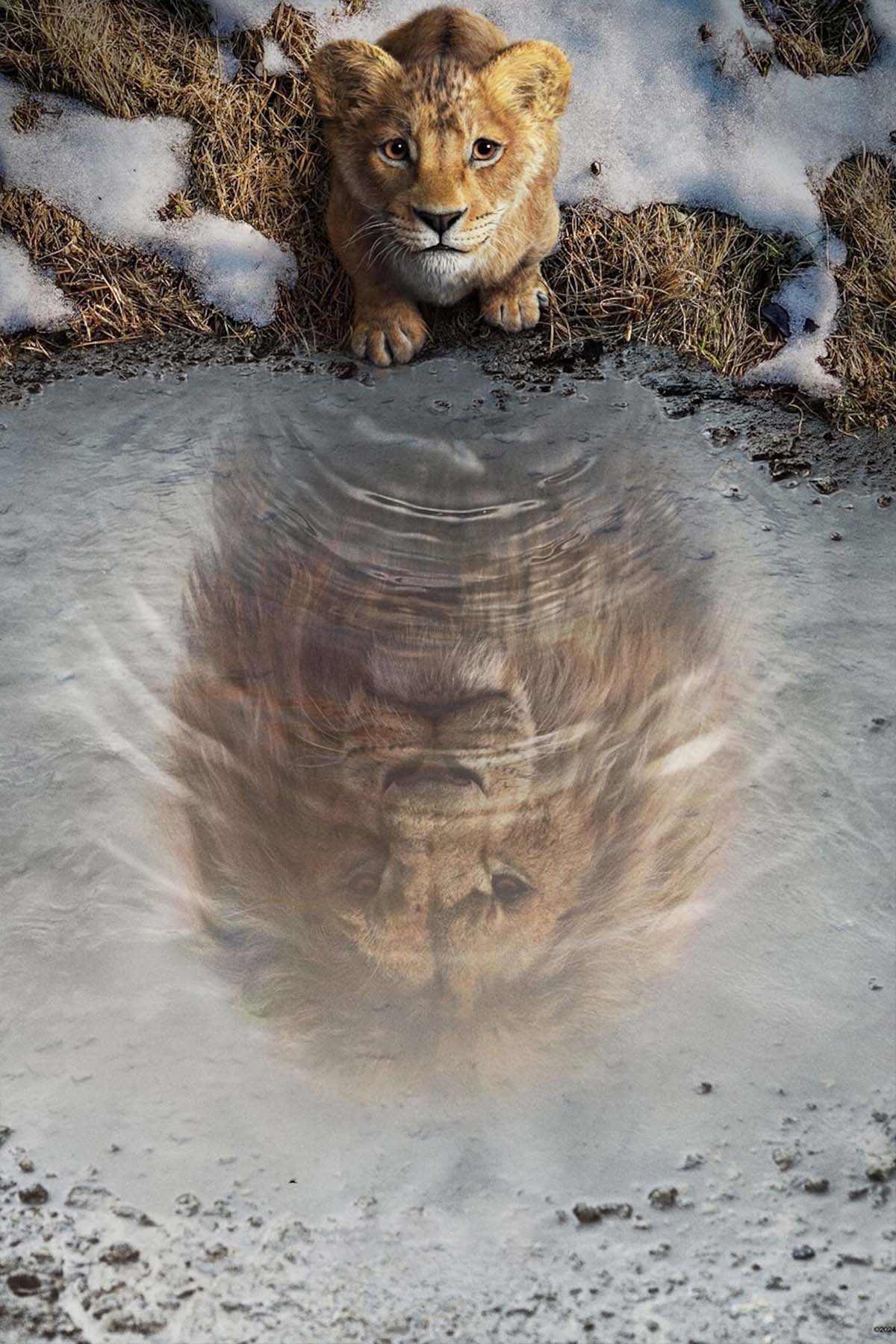
In 2019 maakte Disney een fotorealistische remake van de animatiefilm The Lion King. De nieuwe versie werd een enorm succes en bracht wereldwijd 1,6 miljard dollar op; destijds een record voor een animatiefilm. Nooit bang om een succes uit te melken kwam Disney vijf jaar later met dit vervolg over Simba's vader Mufasa. De film mist de ziel en emotie van de eerdere film en wordt nogal warrig verteld, maar jonge kijkers zullen er desondanks van genieten. De film bracht een 'schamele' 700 miljoen op.
The most destructive aspect of searching for romantic storylines is the fixation on the destination rather than the journey . In gaming, players will reload a 10-hour-old save file because they chose the wrong dialogue option and “locked out” the romance path. In real life, people stay in bad relationships because they have invested three seasons into the storyline and feel entitled to a happy ending.
The problem begins when searching becomes the primary goal. In dating apps, this is the “swipe fatigue” where every profile blurs into a generic bio. In fiction, it’s the frustration of a “fake romance” tag where the couple has zero chemistry but the plot demands they kiss in chapter 30.
We forget that the best romantic storylines— Casablanca, La La Land, 500 Days of Summer —are often about failed connections. By searching so hard for a neat narrative (Meet -> Conflict -> Resolution -> Wedding), we reject the beautiful messiness of ambiguity.
When done right, the found storyline provides a sense of earned catharsis . The dopamine spike when two characters finally confess is chemically similar to winning a bet. For the single person searching in real life, each new match or flirtatious text carries the same narrative weight: Is this the inciting incident?
In an era of dating apps, bingeable rom-coms, and 100-hour RPGs with romanceable NPCs, the act of searching for love—or even just a compelling romantic arc—has become a genre unto itself. Whether you are a reader hunting for a slow-burn subplot, a gamer trying to unlock the “true love” ending, or a single person navigating Hinge, the experience is remarkably similar. It is equal parts dopamine rush and existential exhaustion.
The primary allure of searching for a romantic storyline is the architecture of hope. In media, the best romantic subplots (think Pride and Prejudice or Mass Effect’s Garrus Vakarian) offer a structured payoff that real life rarely guarantees. When you actively search for this, you become a literary detective. You analyze lingering glances, dissect dialogue trees, and anticipate the “tent scene” or the “almost-kiss.”
Worse is the phenomenon of . When you are aggressively searching for a storyline, you stop seeing people (or characters) as individuals and start seeing them as archetypes: The Grumpy One, The Manic Pixie, The Childhood Friend. This reduces the messy, awkward reality of connection into a checklist of tropes.
De beste, leukste, spannendste, grappigste en populairste films en series zijn in onze toplijsten voor jou op een rij gezet. Zo verzamelen we in ‘Nieuw deze week’ alles wat binnenkort verschijnt. In ons nieuwsoverzicht vind je het laatste streamingnieuws en verse releases van Netflix, HBO Max, Disney+, Prime Video en Videoland.
Download ook even de Binge-app voor een nóg betere beleving.