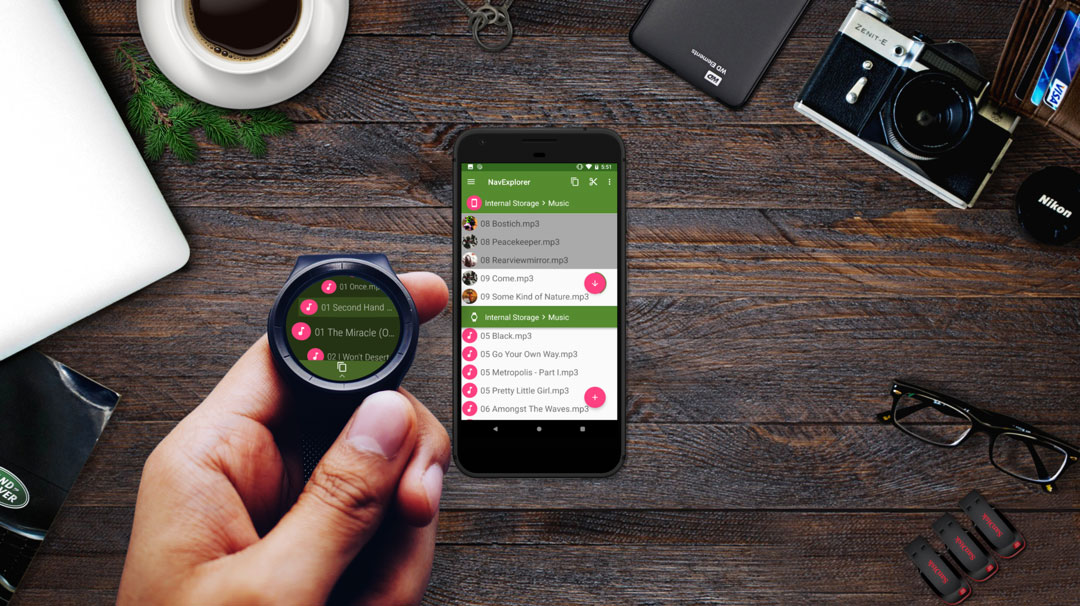
NavExplorer lets you transfer files over your WLAN easily without having to type in any commands.
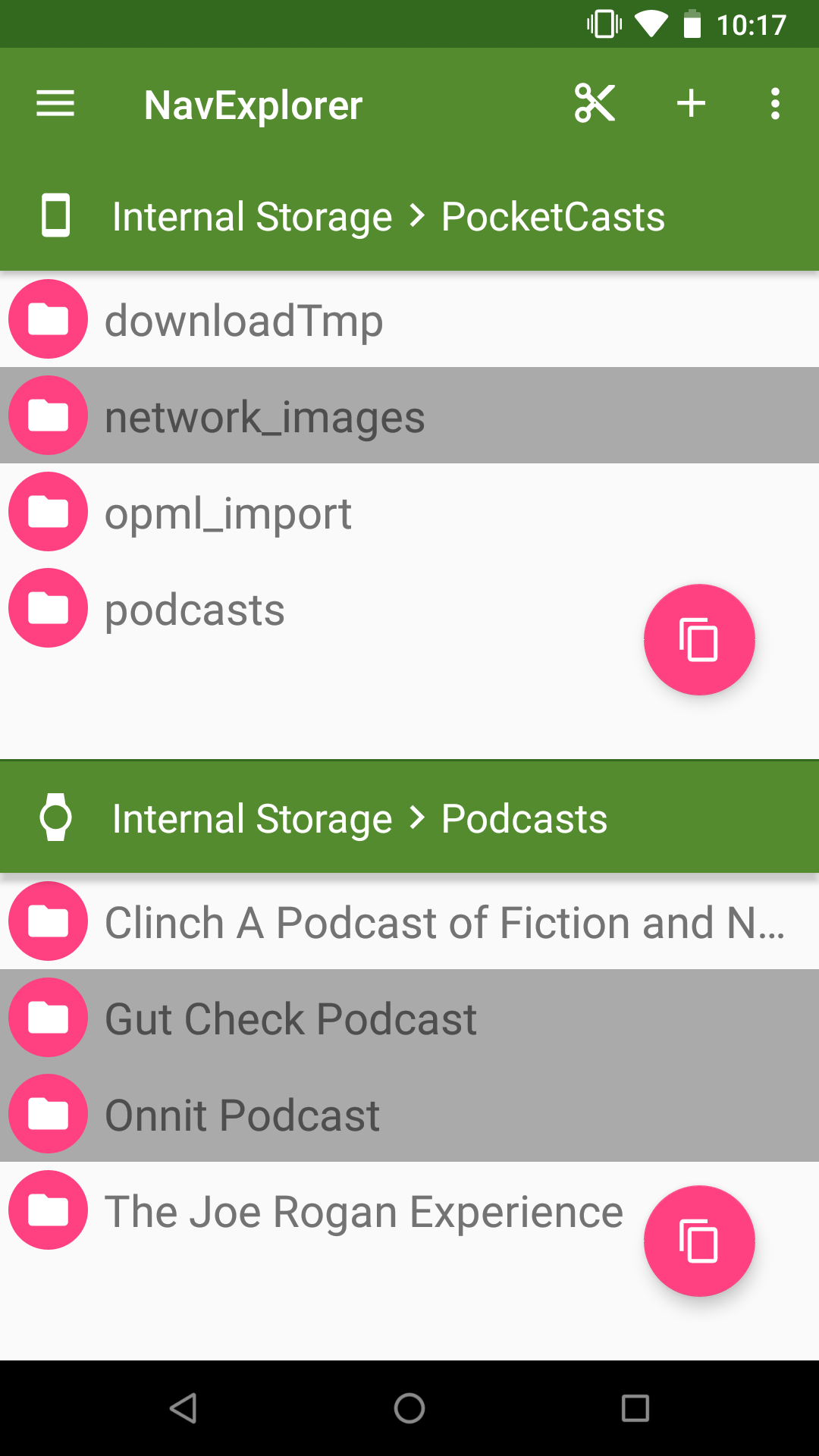
Move or clear up space on you watch using the wear app.


That’s when she remembered a phrase a fellow engineer had whispered months ago: Portable4pc .
Mira dove in. Her first stop was the heart of any Portable4pc setup: the mini-PC. She picked a unit no larger than a deck of cards. Inside was a mobile-grade AMD Ryzen 7 processor, 32GB of RAM, and a 1TB NVMe SSD. No battery, no keyboard, no screen—just ports. This tiny brick, she realized, had more rendering power than her dead desktop. Portable4pc
In the cluttered workshop of a freelance tech journalist named Mira, a crisis was brewing. Her main workstation—a powerful desktop PC—had just suffered a catastrophic motherboard failure. Across the room, her secondary machine, a bulky but reliable laptop, wheezed under the strain of a 4K video editing project. Deadlines loomed, and she had a train to catch to a client meeting in two hours. That’s when she remembered a phrase a fellow
Informative takeaway: Modern portable monitors use USB-C Alternate Mode (Alt Mode) to combine DisplayPort and power delivery, eliminating extra power bricks. But a PC needs power. The mini-PC required 65 watts—too much for a standard phone charger. Mira solved this with a 100W USB-C power bank and a GaN (Gallium Nitride) charger . The GaN charger was tiny but fierce, and the battery bank let her run the whole rig for four hours untethered. She picked a unit no larger than a deck of cards
At first, Mira thought it was a brand. But a quick search revealed it was neither a single product nor a company. was a concept —a category of solutions designed to make a full Windows PC truly portable without sacrificing performance. It lived at the intersection of three technologies: tiny powerhouse computers, portable touchscreen monitors, and smart power management.
Mira smiled. “You don’t buy it. You build it. Welcome to Portable4pc.”