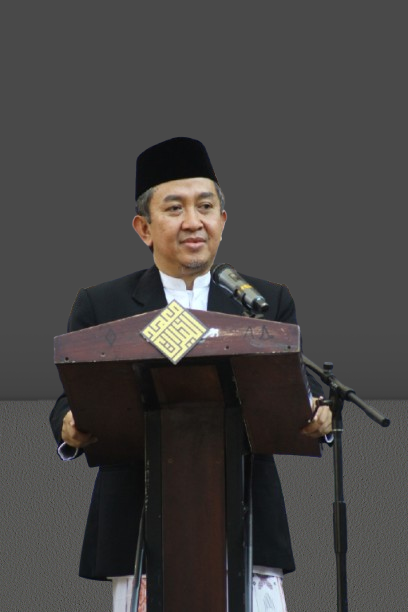
Juan Pablo Jovellanos May 2026
Unlike many courtiers, Jovellanos was known for his integrity. He served as a magistrate in Seville and later as Minister of Grace and Justice under King Charles IV. His mission? To break the power of the landed aristocracy and the Catholic Church's control over land.
What do you think? Was gradual reform ever possible in 18th-century Spain, or was revolution inevitable? juan pablo jovellanos
"Agriculture is the primary source of the wealth of nations, and the surest foundation of their prosperity." In summary: A man who believed reason could tame power. He lost the battles, but won the historical war. Today, he is the namesake of schools, foundations, and even a prestigious research center (the CSIC’s Jovellanos Institute). Unlike many courtiers, Jovellanos was known for his
When Napoleon invaded Spain in 1808, the prisoner was freed by the people. An elderly and broken Jovellanos immediately joined the Central Junta (the resistance government) to fight the French. He helped draft the Constitution of 1812 (the "La Pepa")—one of the most liberal constitutions in history—though he died before seeing it fully implemented. To break the power of the landed aristocracy
When we think of the Enlightenment, names like Voltaire, Rousseau, and Locke usually come to mind. But Spain had its own brilliant reformer: (1744–1811).