In conclusion, “How Might We” questions are a deceptively simple tool that reorients problem-solving toward possibility, teamwork, and forward motion. Whether redesigning a website, improving a classroom routine, or addressing community issues, starting with How might we can turn obstacles into invitations for innovation. If you need a , a longer research-backed version , or an essay on a different topic (like “HMW” as homework questions in a specific class), just tell me the subject and length.
Of course, HMW questions are not a cure-all. Poorly framed questions can be too broad (“How might we solve world hunger?”) or too narrow (“How might we move this button two pixels left?”). The most effective HMW questions are specific enough to be actionable but broad enough to allow creative leaps. hmw questions
Finally, HMW questions shift focus away from blame. Traditional problem statements can sound like accusations: “The marketing team didn’t attract enough users.” An HMW reframe — “How might we better communicate our product’s value to young adults?” — moves the team toward future solutions rather than past failures. In conclusion, “How Might We” questions are a
It looks like you’re asking for a draft essay based on the prompt — likely referring to "How Might We" (HMW) questions , a technique used in design thinking and problem-solving. Of course, HMW questions are not a cure-all
Below is a you can adapt. If you meant something else (e.g., a different assignment or subject), just let me know. Essay Draft: The Power of “How Might We” Questions in Creative Problem-Solving In both business and everyday life, people often rush to solutions before fully understanding a problem. The “How Might We” (HMW) question offers a simple but powerful antidote. Originating from design thinking, HMW questions reframe challenges as open-ended opportunities for innovation. This essay argues that HMW questions are effective because they balance structure with possibility, encourage collaboration, and shift mindsets from blame to action.
Second, HMW questions foster collaboration. Because they are not yes/no questions, they invite diverse perspectives. In a brainstorming session, a well-framed HMW question — such as “How might we reduce food waste in office cafeterias?” — encourages input from cooks, managers, and diners alike. This collective approach often leads to more creative and practical outcomes than individual problem-solving.
First, HMW questions transform vague or negative problems into focused, constructive inquiries. Instead of saying, “We have low customer retention,” a team might ask, “How might we make customers feel valued after their first purchase?” This small change opens up a range of possible solutions rather than narrowing thinking too early. The word how assumes a solution exists; might allows for temporary uncertainty and experimentation; we builds shared ownership.
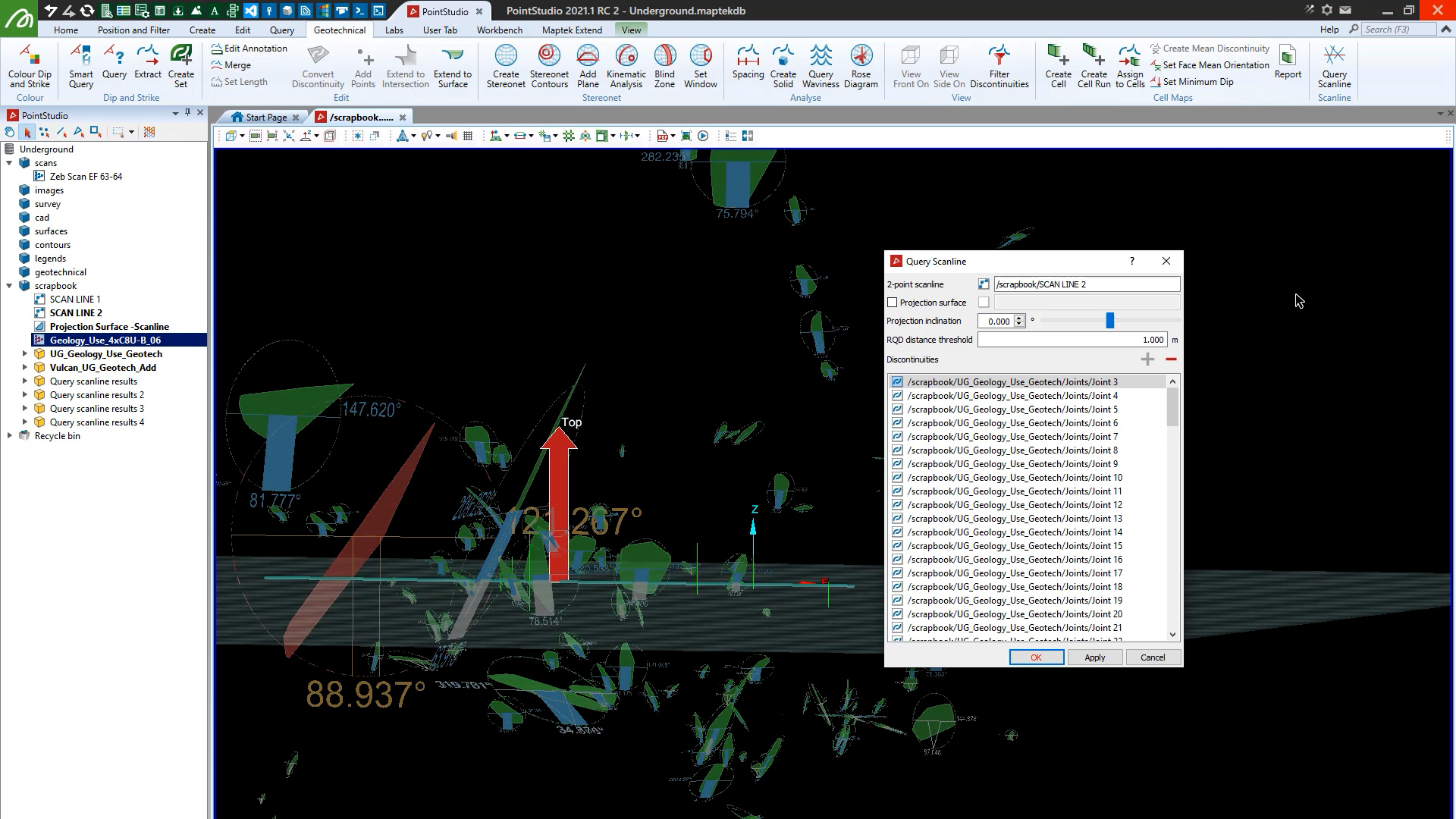
PointStudio 2021.1 features enhanced Inter-Ramp Compliance, performance and stability, supports Maptek R3 mkII laser scanners and enables unwrapping and colouring lines by grade and RQD calculation on scanlines.
In conclusion, “How Might We” questions are a deceptively simple tool that reorients problem-solving toward possibility, teamwork, and forward motion. Whether redesigning a website, improving a classroom routine, or addressing community issues, starting with How might we can turn obstacles into invitations for innovation. If you need a , a longer research-backed version , or an essay on a different topic (like “HMW” as homework questions in a specific class), just tell me the subject and length.
Of course, HMW questions are not a cure-all. Poorly framed questions can be too broad (“How might we solve world hunger?”) or too narrow (“How might we move this button two pixels left?”). The most effective HMW questions are specific enough to be actionable but broad enough to allow creative leaps.
Finally, HMW questions shift focus away from blame. Traditional problem statements can sound like accusations: “The marketing team didn’t attract enough users.” An HMW reframe — “How might we better communicate our product’s value to young adults?” — moves the team toward future solutions rather than past failures.
It looks like you’re asking for a draft essay based on the prompt — likely referring to "How Might We" (HMW) questions , a technique used in design thinking and problem-solving.
Below is a you can adapt. If you meant something else (e.g., a different assignment or subject), just let me know. Essay Draft: The Power of “How Might We” Questions in Creative Problem-Solving In both business and everyday life, people often rush to solutions before fully understanding a problem. The “How Might We” (HMW) question offers a simple but powerful antidote. Originating from design thinking, HMW questions reframe challenges as open-ended opportunities for innovation. This essay argues that HMW questions are effective because they balance structure with possibility, encourage collaboration, and shift mindsets from blame to action.
Second, HMW questions foster collaboration. Because they are not yes/no questions, they invite diverse perspectives. In a brainstorming session, a well-framed HMW question — such as “How might we reduce food waste in office cafeterias?” — encourages input from cooks, managers, and diners alike. This collective approach often leads to more creative and practical outcomes than individual problem-solving.
First, HMW questions transform vague or negative problems into focused, constructive inquiries. Instead of saying, “We have low customer retention,” a team might ask, “How might we make customers feel valued after their first purchase?” This small change opens up a range of possible solutions rather than narrowing thinking too early. The word how assumes a solution exists; might allows for temporary uncertainty and experimentation; we builds shared ownership.
We use cookies to enhance your browsing experience and analyse our traffic. By clicking "Accept all", you consent to our use of cookies. You can customise your cookie preferences by clicking 'Customise Preferences'.
We use cookies to enhance your browsing experience and analyse our traffic.
Our website may store cookies on your computer in order to improve and customise your future visits to the website. By using cookies, we can track information about your usage of the site and improve your experience with anonymous and aggregated user data.
Review our Privacy PolicyEssential for the website's functionality, without which the site cannot operate smoothly.
Remember user preferences and choices to provide a more personalized experience.
Collect data on how users interact with the website, helping to improve user experience.
Used to deliver targeted advertisements to users based on their browsing behavior and preferences.