Extract Data instantly from any website in minutes without coding using our ready made extractors
 No credit card required
 Unlimited Trial Credits
 Free 14-days Trial
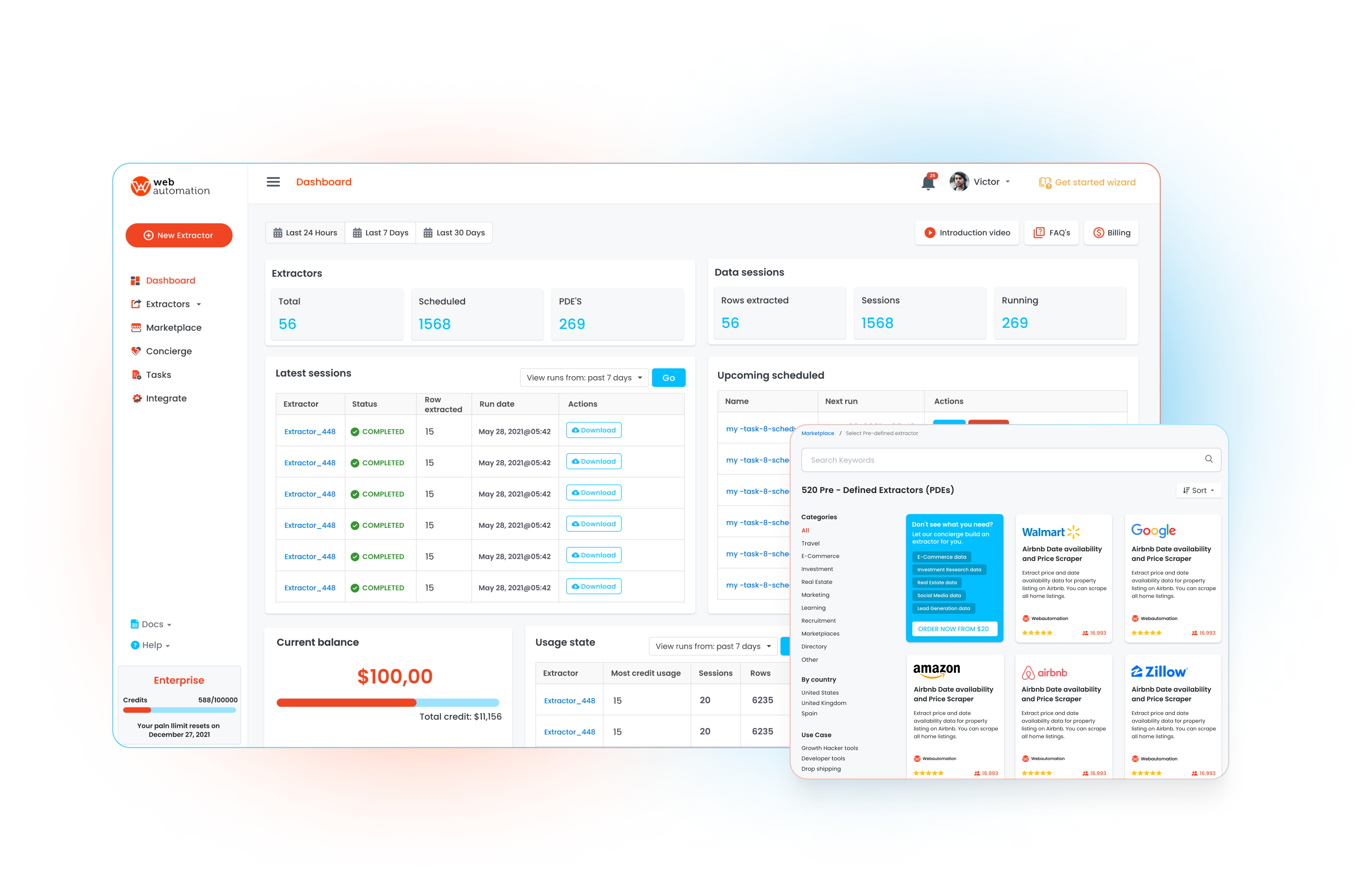








Built for continuous data collection , zero maintenance

Easily select the sources that matter most to you, from a vast range of websites and datasets
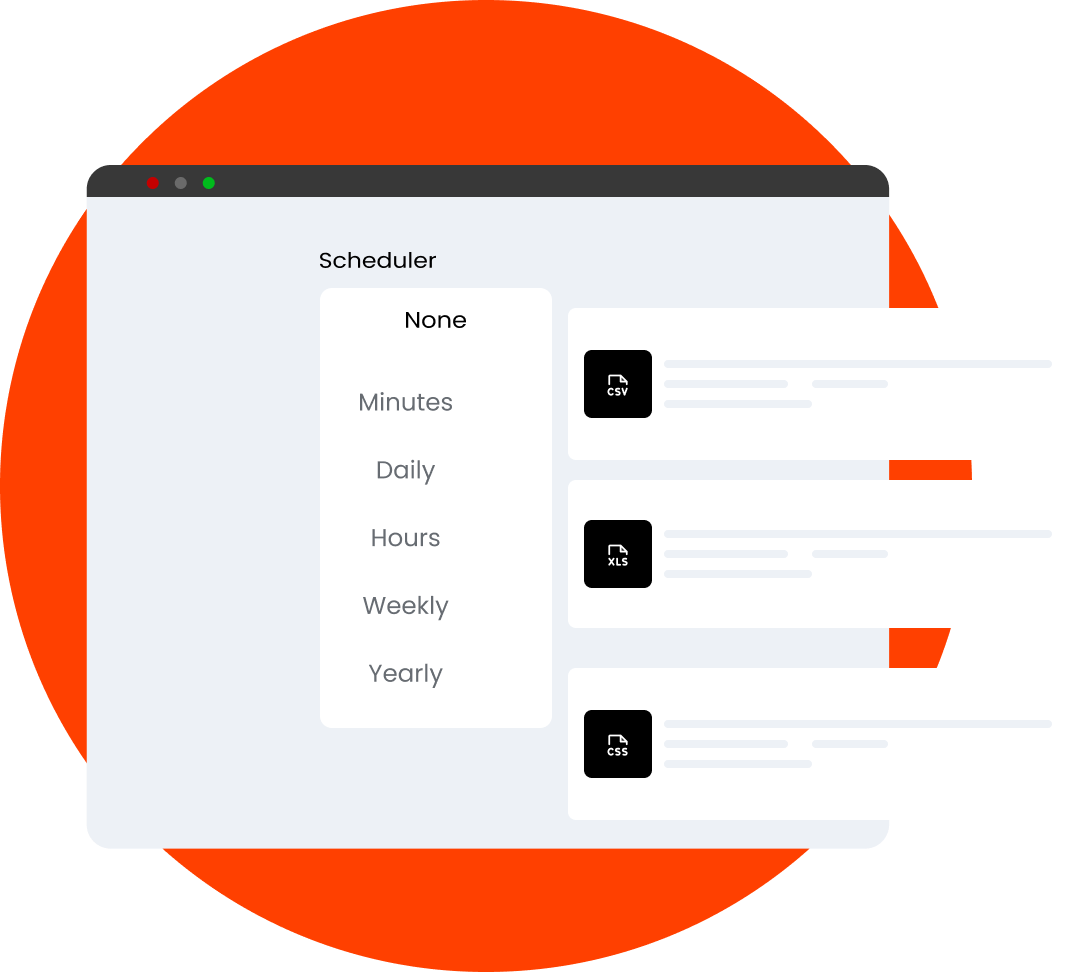
Tailor your data extraction by setting your preferences, and let our tool do the heavy lifting by extracting the structured data you need

Seamlessly download your data or integrate it directly into your workflow with support for multiple formats (CSV, Excel, JSON, JSONL, XML) and platforms
Get our concierge to build an extractor for you.
Enter URL, Select elements and submit.
We will build one for you to run on WebAutomation.
Let's Build One For Free
The "Generador de Dinero de Paypal" is not a software exploit; it is a human exploit. It weaponizes financial anxiety against the technically naive. The only vulnerability it reveals is the one between the keyboard and the chair.
In Latin America and Spain, software like Keygens (Key Generators) for Windows XP or Photoshop CS6 were a rite of passage for early internet users. The concept of a "generator" is culturally ingrained as a tool that outputs infinite value (serial numbers) from a small algorithm. The PayPal Money Generator borrows this visual language: the green progress bar, the "human verification" step, the slick metro UI design. generador de Dinero de Paypal
This article dissects the PayPal Money Generator from three angles: the technical impossibility, the psychological hook, and the hidden malware economy that sustains it. At its core, the "Generador de Dinero" claims to exploit a weakness in PayPal’s Application Programming Interface (API). The narrative is consistent: hackers have found a way to send a "spoofed" IPN (Instant Payment Notification) to PayPal’s servers, tricking them into thinking a wire transfer or credit card payment has occurred. The "Generador de Dinero de Paypal" is not
PayPal processes over 40 million transactions per day, moving hundreds of billions of dollars annually. Their API security is governed by TLS 1.3 encryption, OAuth 2.0 authentication, and HMAC-SHA256 signature verification. In Latin America and Spain, software like Keygens
Every "generador de dinero" is a mirror reflecting the user's own hope. It promises to break the laws of financial physics. But in the digital world, conservation of value holds true: money does not appear from nothing. It is transferred.
To the untrained eye, it looks like a glitch in the matrix—a loophole allowing users to exploit an API vulnerability to credit their account instantly. To the informed, it is a fascinating study in digital social engineering, mathematical impossibility, and preying on financial desperation.
If you have spent any time on YouTube, TikTok, Instagram, or Discord, particularly in Spanish-speaking corners of the internet, you have likely seen the advertisement: a flashing website interface with a progress bar, a dropdown menu asking for an amount between $50 and $5,000, and a logo of a blue ‘P’ inside a circle. The headline screams: "Generador de Dinero de Paypal 2025 – Código de Explotación Gratis."
Tired of getting blocked while web scraping? Our powerful infrastructure that runs on the cloud takes care of everything so you focus on getting the data you need, when you need it.
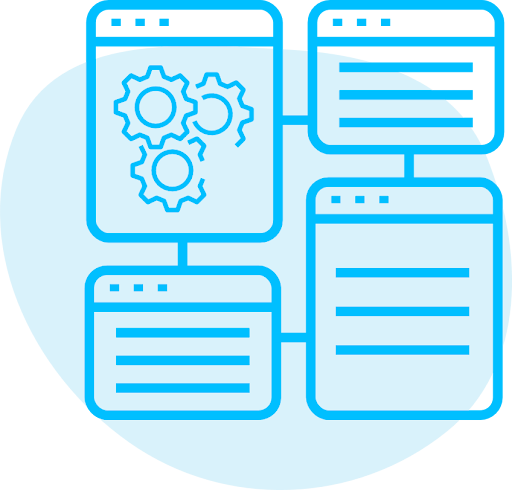
No coding required. Processes like retries, scheduling and integrations are automated allowing for minimal user intervention

Our architecture makes webautomation.io resilient to failures using rotation of a large pool of proxies and browser fingerprinting technology

Our engineers are consistently monitoring and fixing code as the sources change. Allowing infinite scalability without service interruptions
Tired of getting blocked while web scraping? Our powerful infrastructure that runs on the cloud takes care of everything so you focus on getting the data you need, when you need it.

The "Generador de Dinero de Paypal" is not a software exploit; it is a human exploit. It weaponizes financial anxiety against the technically naive. The only vulnerability it reveals is the one between the keyboard and the chair.
In Latin America and Spain, software like Keygens (Key Generators) for Windows XP or Photoshop CS6 were a rite of passage for early internet users. The concept of a "generator" is culturally ingrained as a tool that outputs infinite value (serial numbers) from a small algorithm. The PayPal Money Generator borrows this visual language: the green progress bar, the "human verification" step, the slick metro UI design.
This article dissects the PayPal Money Generator from three angles: the technical impossibility, the psychological hook, and the hidden malware economy that sustains it. At its core, the "Generador de Dinero" claims to exploit a weakness in PayPal’s Application Programming Interface (API). The narrative is consistent: hackers have found a way to send a "spoofed" IPN (Instant Payment Notification) to PayPal’s servers, tricking them into thinking a wire transfer or credit card payment has occurred.
PayPal processes over 40 million transactions per day, moving hundreds of billions of dollars annually. Their API security is governed by TLS 1.3 encryption, OAuth 2.0 authentication, and HMAC-SHA256 signature verification.
Every "generador de dinero" is a mirror reflecting the user's own hope. It promises to break the laws of financial physics. But in the digital world, conservation of value holds true: money does not appear from nothing. It is transferred.
To the untrained eye, it looks like a glitch in the matrix—a loophole allowing users to exploit an API vulnerability to credit their account instantly. To the informed, it is a fascinating study in digital social engineering, mathematical impossibility, and preying on financial desperation.
If you have spent any time on YouTube, TikTok, Instagram, or Discord, particularly in Spanish-speaking corners of the internet, you have likely seen the advertisement: a flashing website interface with a progress bar, a dropdown menu asking for an amount between $50 and $5,000, and a logo of a blue ‘P’ inside a circle. The headline screams: "Generador de Dinero de Paypal 2025 – Código de Explotación Gratis."
See how our clients are transforming their businesses with our powerful data extraction solutions.

Generative AI startup leverages Ready Datasets for Scalability
Learn more

How WebAutomation is increasing innovation in the Travel Tech Industry
Learn more
Generative AI startup leverages Ready Datasets for Scalability
Learn more
How WebAutomation is increasing innovation in the Travel Tech Industry
Learn more
Everything you need to know about the product and billing.
WebAutomation is a powerful web scraping platform that allows you to extract data from any website without coding. Simply choose from our pre-built extractors or create your own custom extractor. Our platform handles everything from IP rotation to CAPTCHA solving, ensuring reliable data extraction.
Yes, absolutely! Our platform is designed to be user-friendly and requires no coding knowledge. You can use our pre-built extractors or our visual selector tool to create custom extractors. Our intuitive interface guides you through the entire process.
We take security seriously. All data extraction is done through secure connections, and we implement various security measures including IP rotation, user-agent rotation, and proxy support. Your data is encrypted in transit and at rest.
Yes, we provide comprehensive support and training for new users. This includes detailed documentation, video tutorials, and dedicated support channels. We also offer personalized onboarding sessions to help you get started quickly.

Can't find the answer you're looking for? Please chat to our friendly team.
Join over 4,000+ businesses already growing with Web Automation.