







“You there. You speak for me? In the barbarians’ tongue?”
“Write this: ‘I lost my eye as a boy. I lost my mercy as a man. I would lose both again to stand here.’”
He gestures at the screen. The subtitles are scrolling past now—scenes of his youth, his betrayal of his own father, the slaughter at Hitotoribashi.
The screen goes black. The snow vanishes. And Masamune—subtitled at last, not just in English but in truth—fades into the static, leaving only a single frost-kissed keyboard key behind.
She types. The subtitle appears.
“You there. You speak for me? In the barbarians’ tongue?”
“Write this: ‘I lost my eye as a boy. I lost my mercy as a man. I would lose both again to stand here.’”
He gestures at the screen. The subtitles are scrolling past now—scenes of his youth, his betrayal of his own father, the slaughter at Hitotoribashi.
The screen goes black. The snow vanishes. And Masamune—subtitled at last, not just in English but in truth—fades into the static, leaving only a single frost-kissed keyboard key behind.
She types. The subtitle appears.
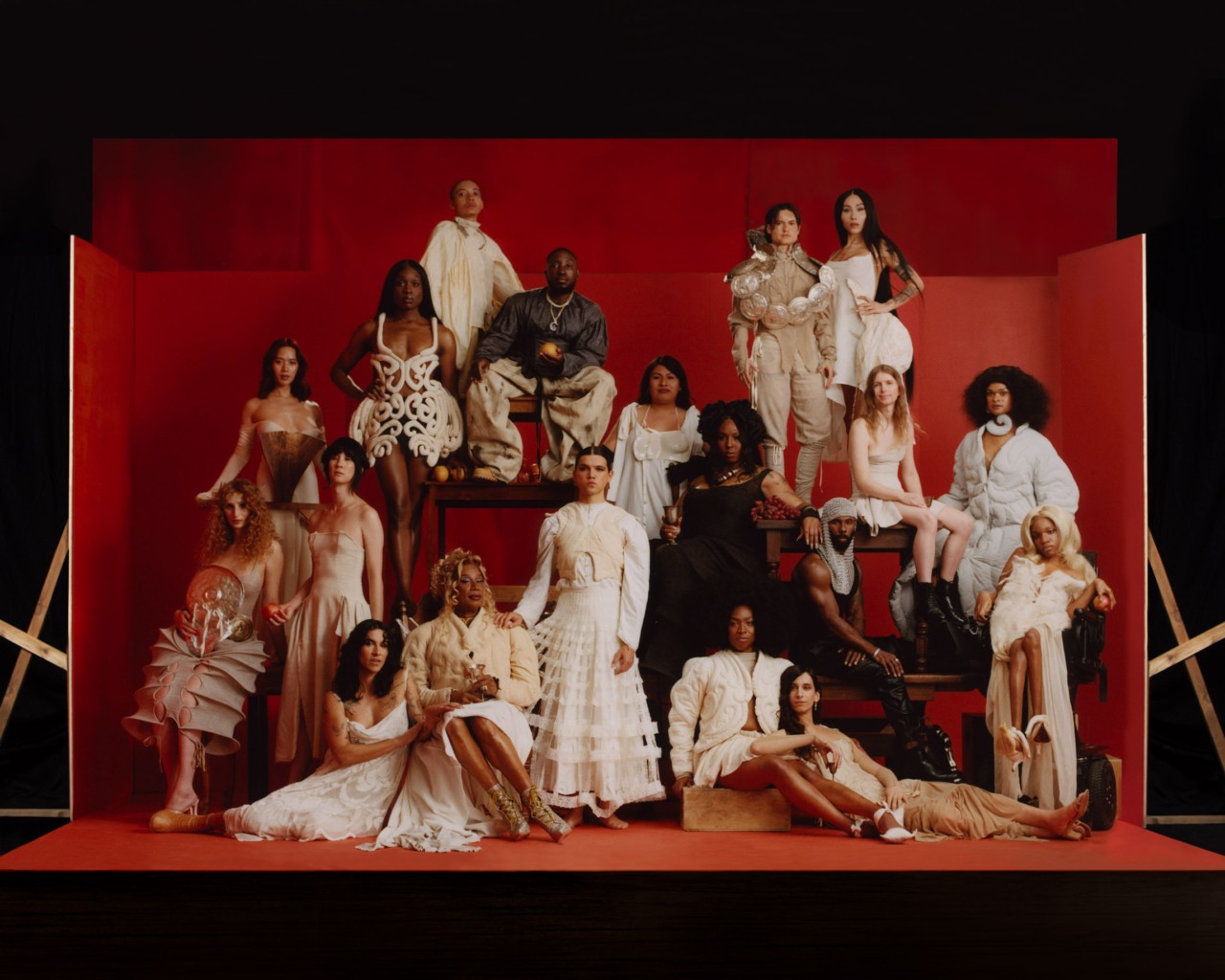
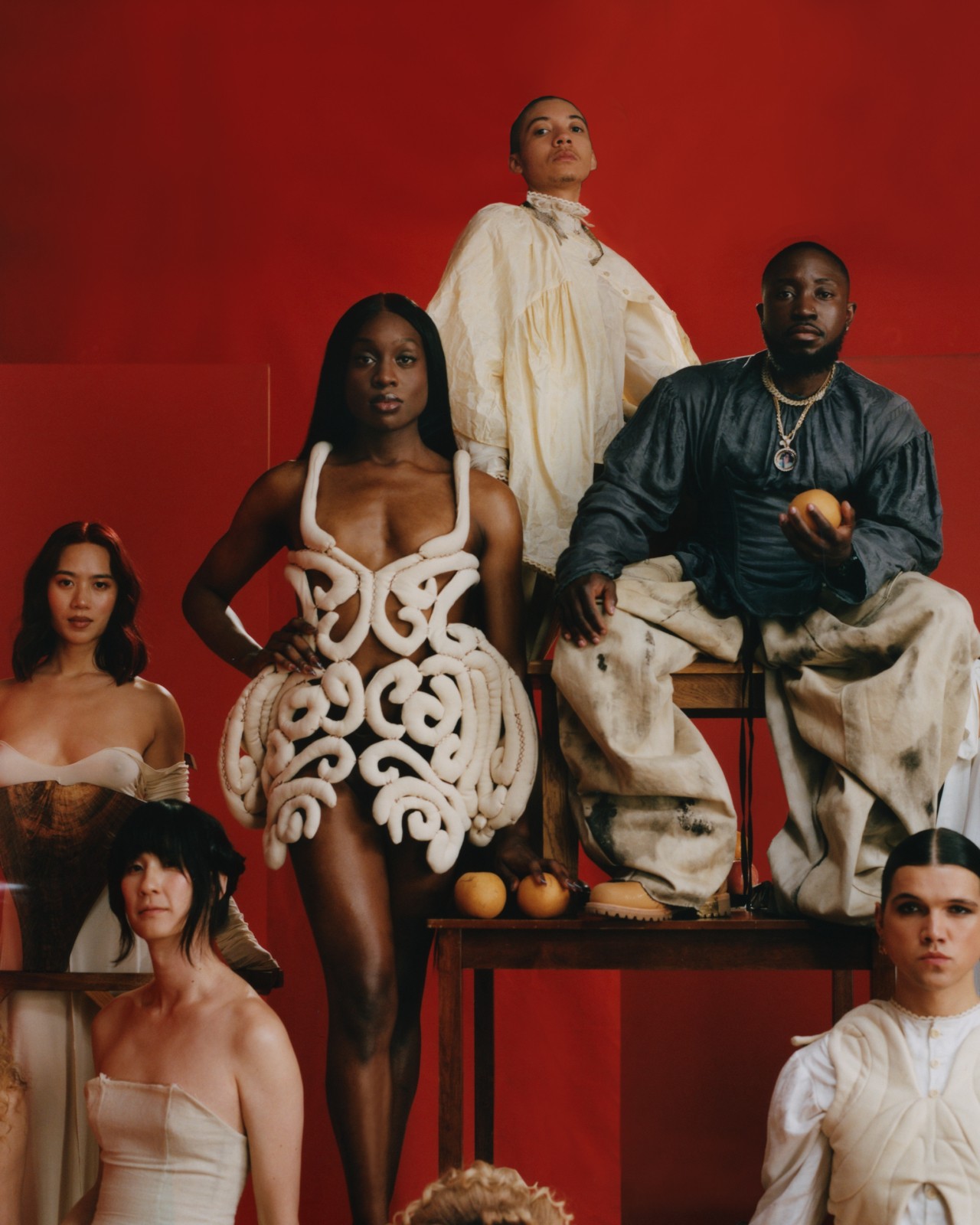
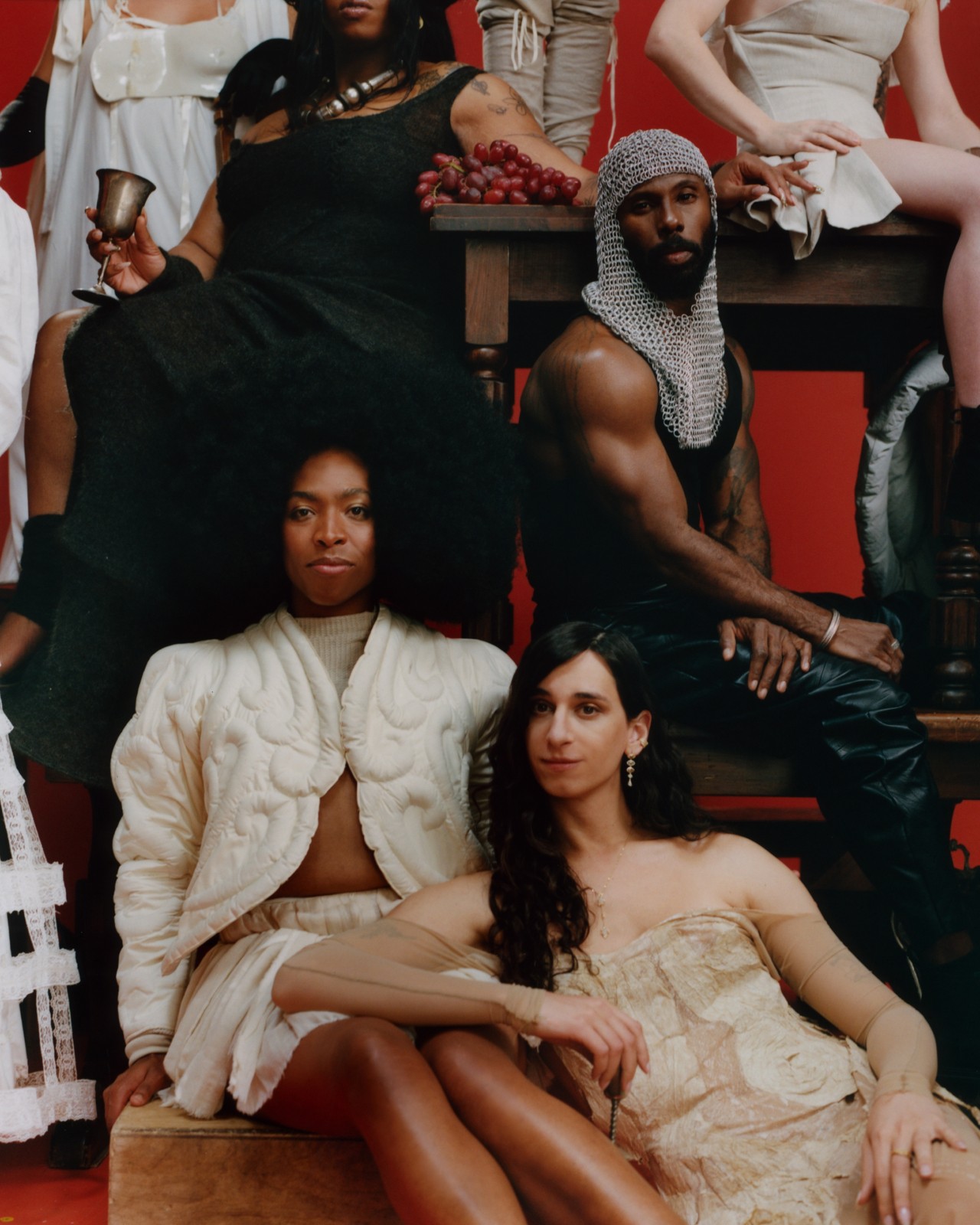
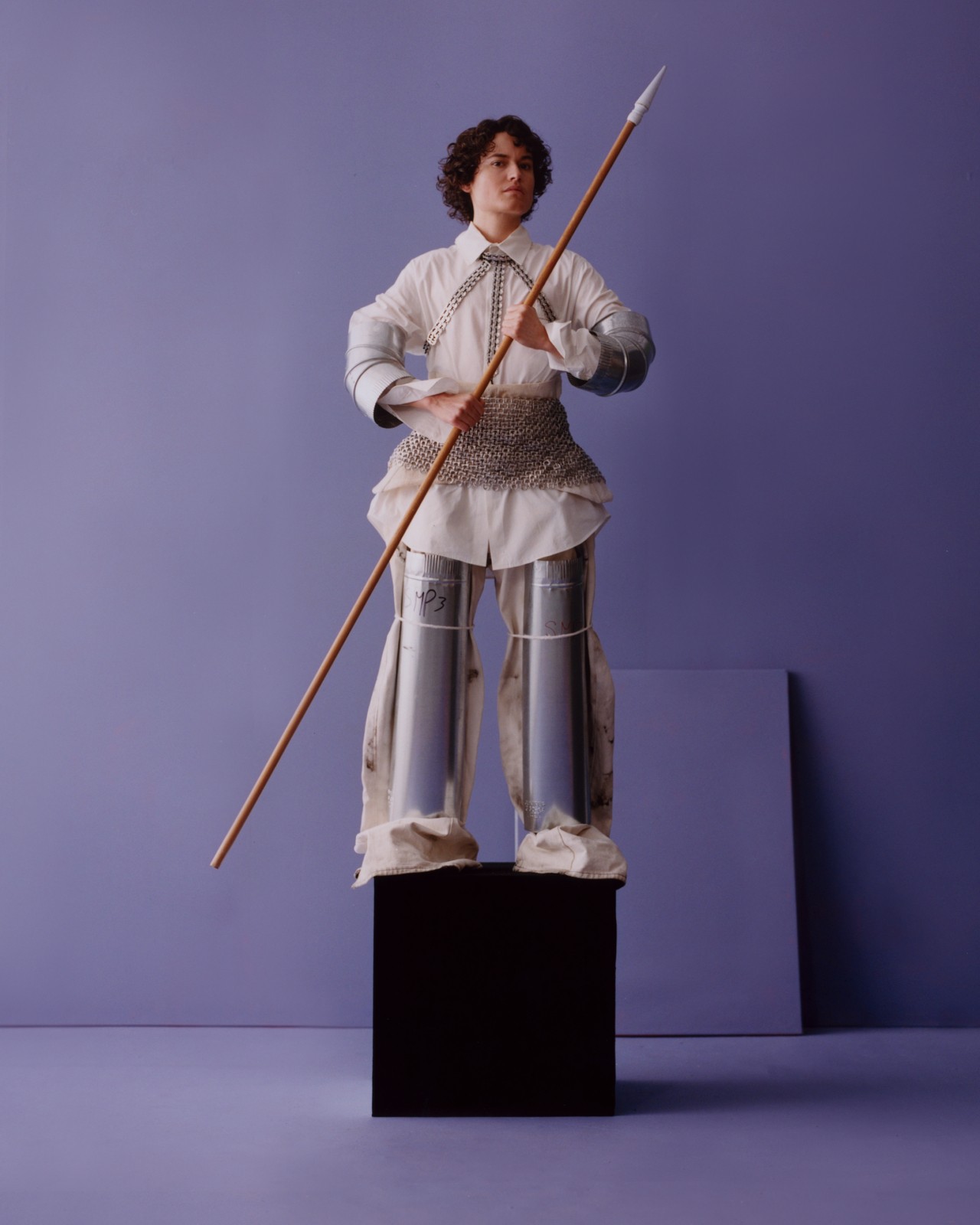
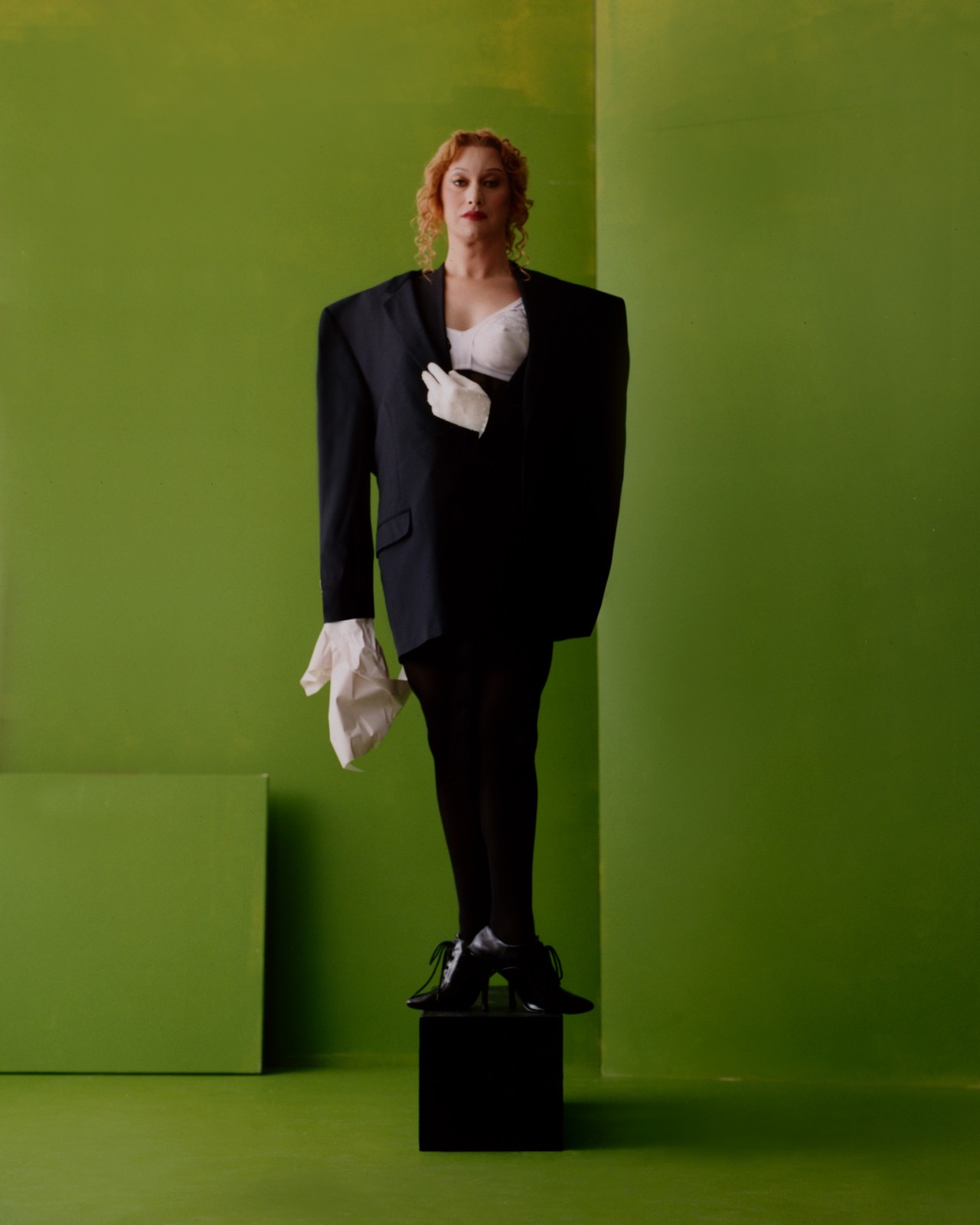
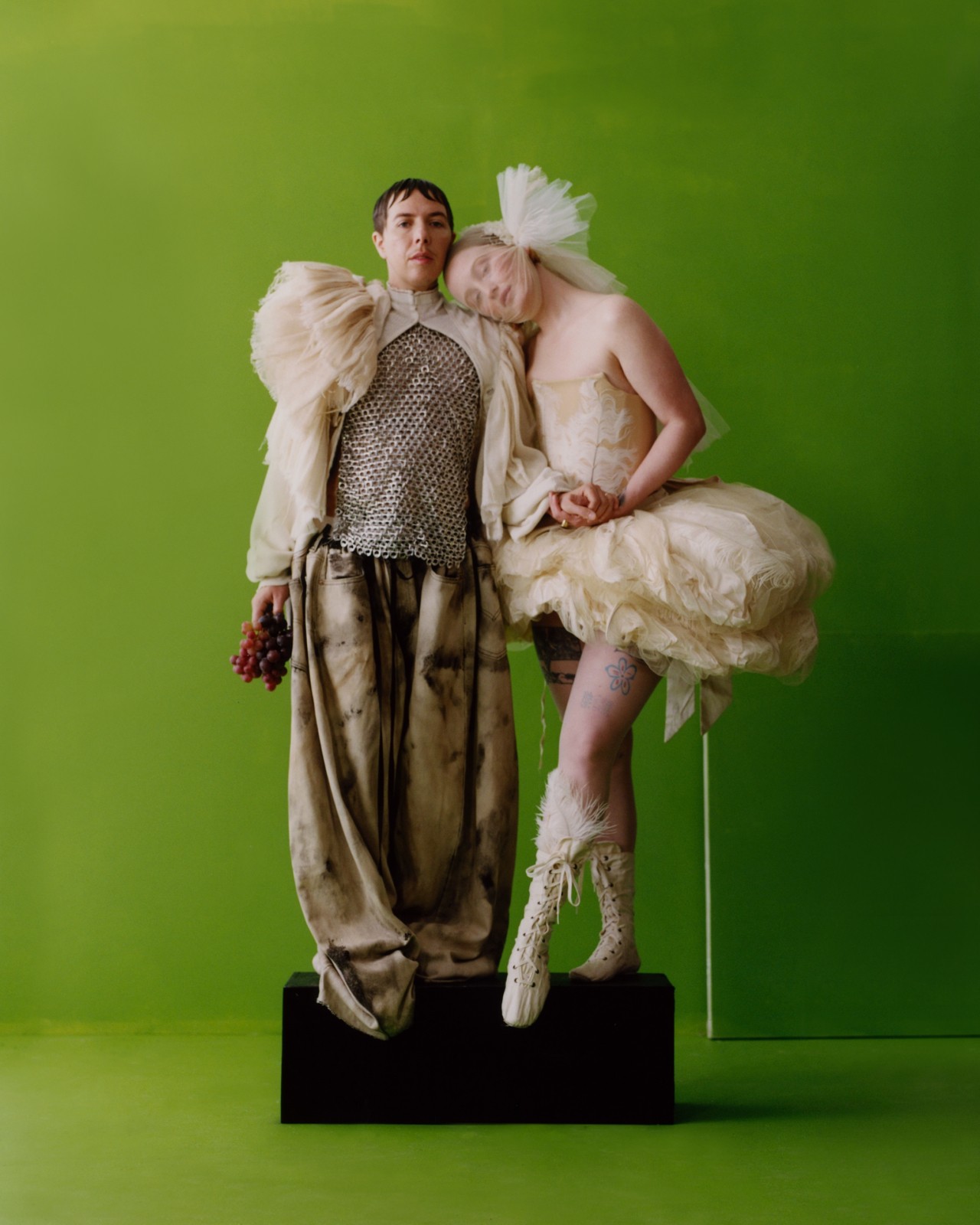
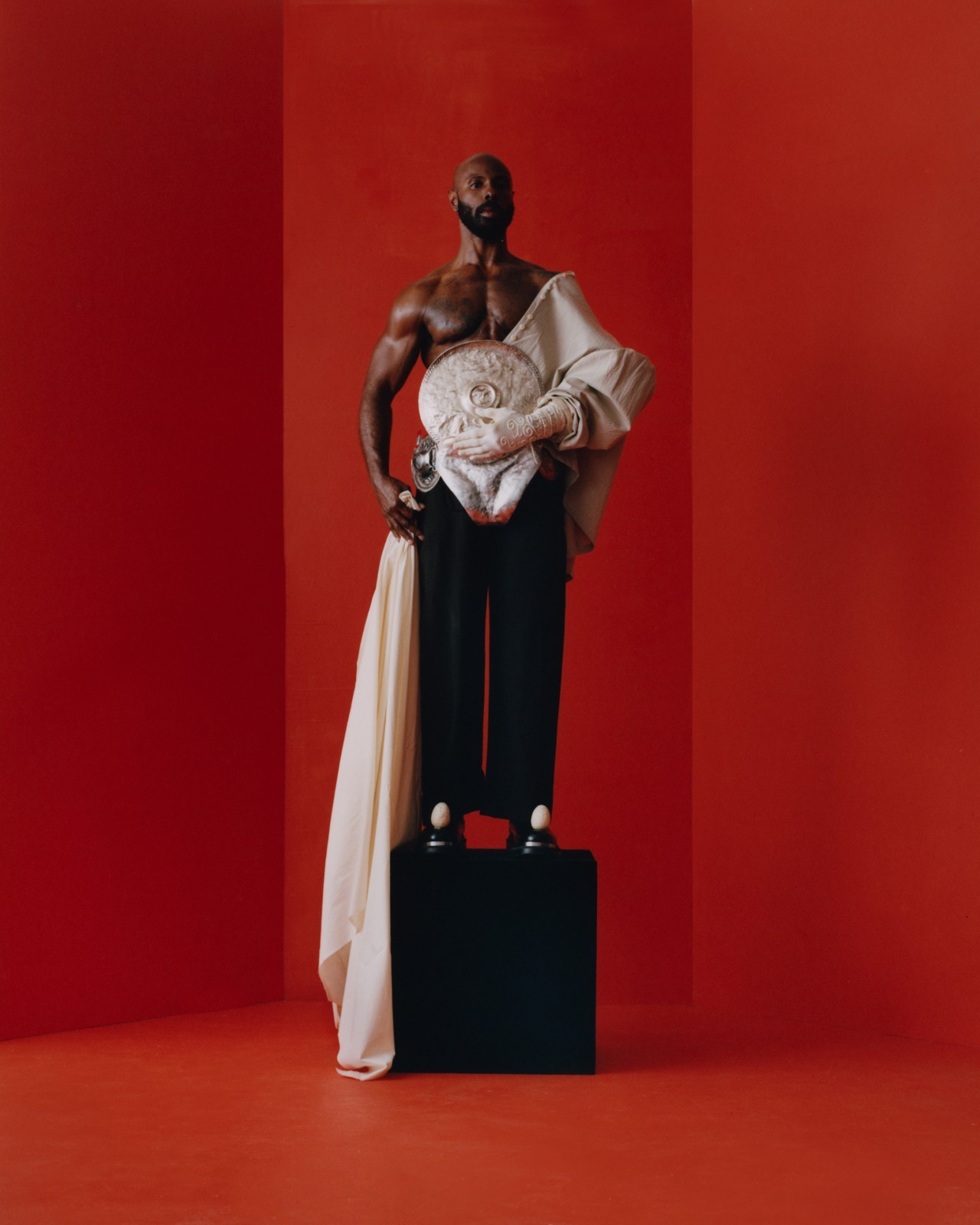
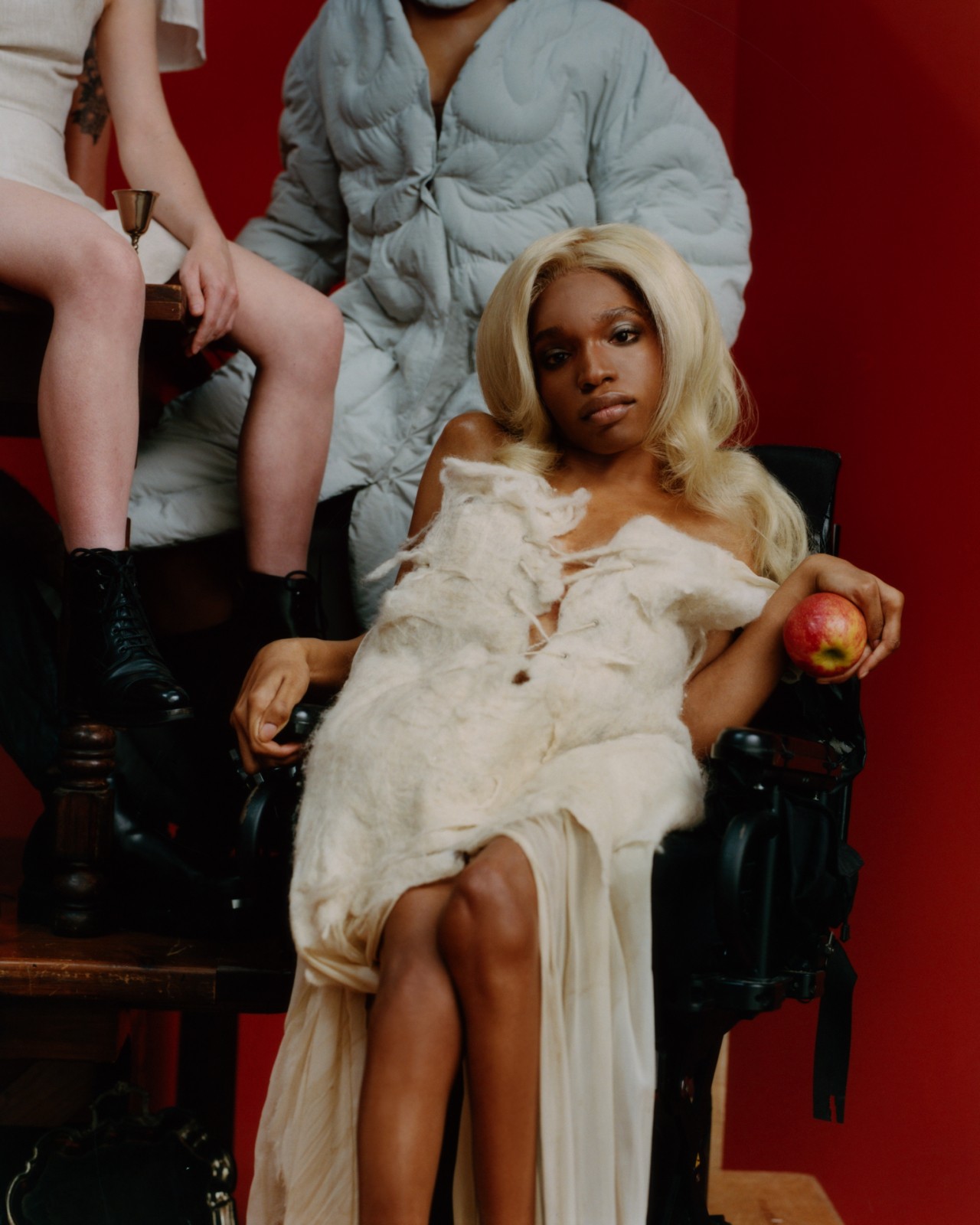
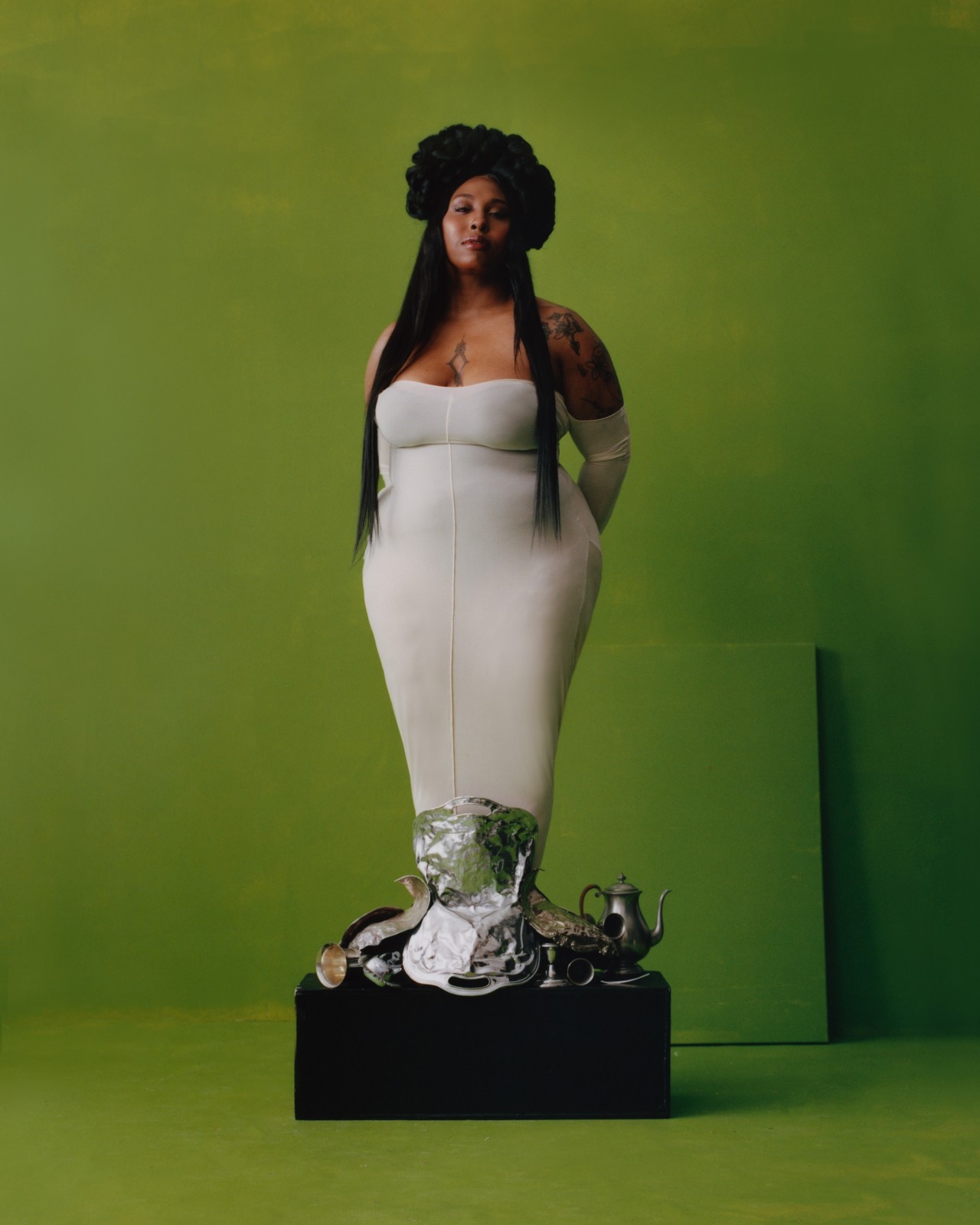
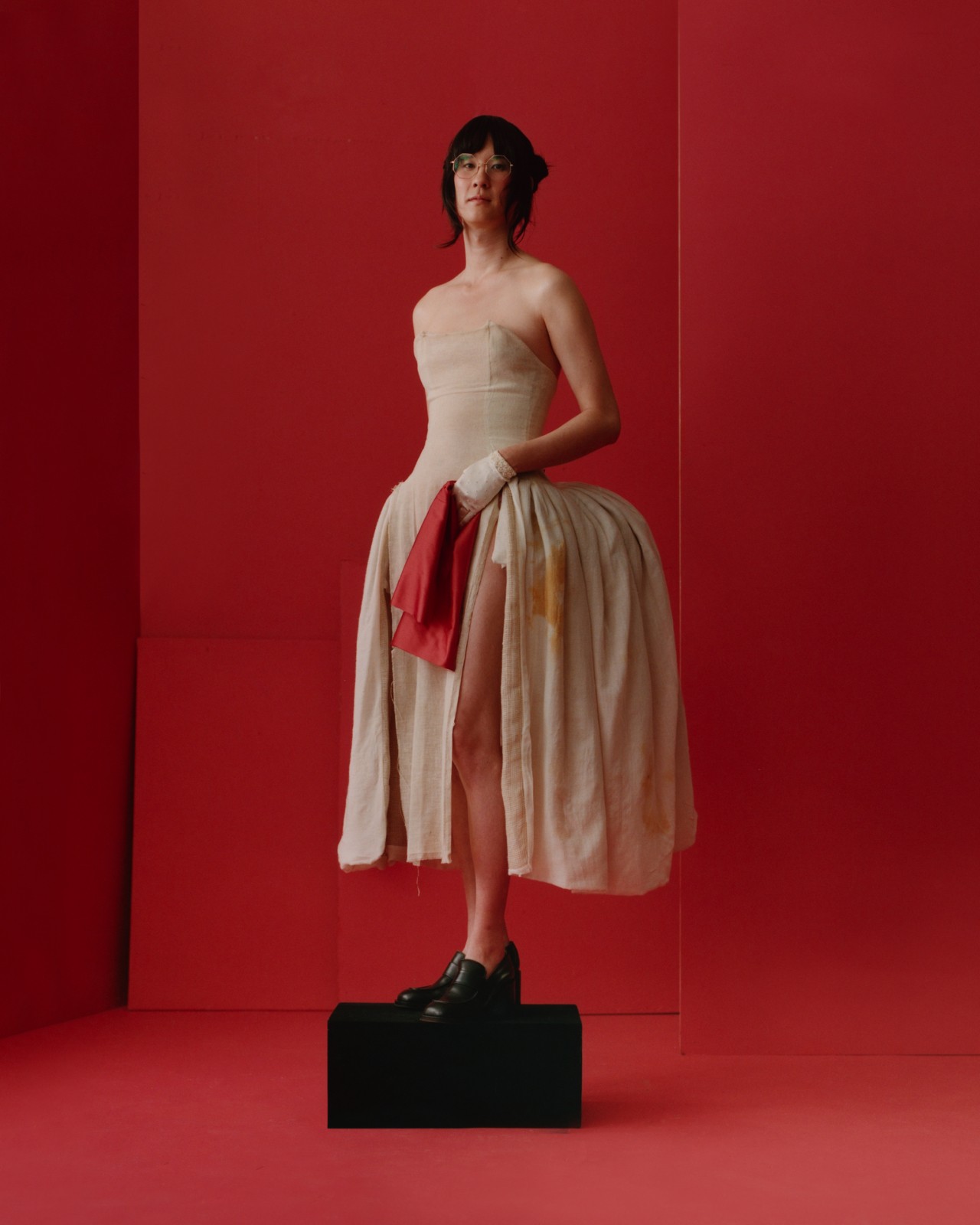
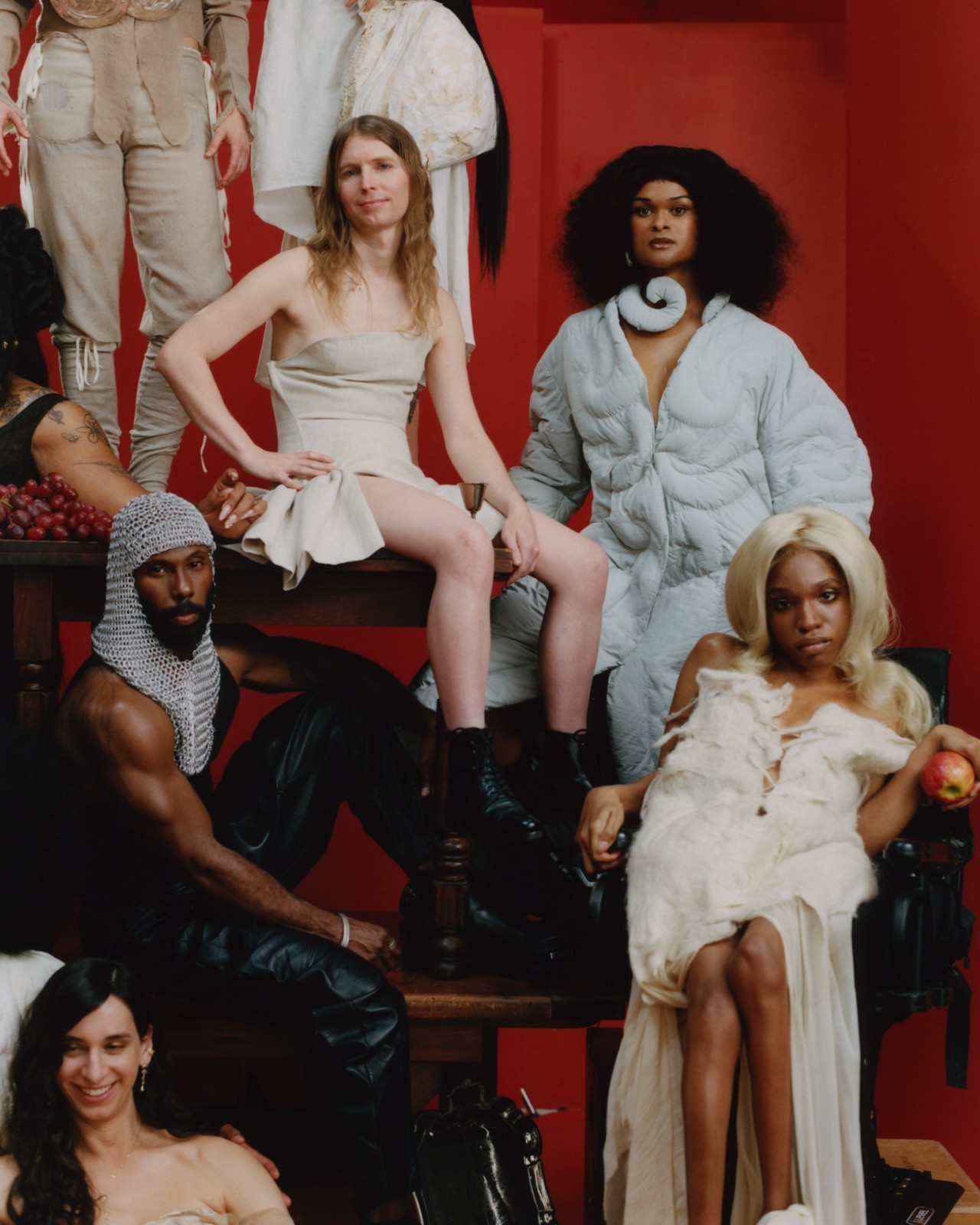
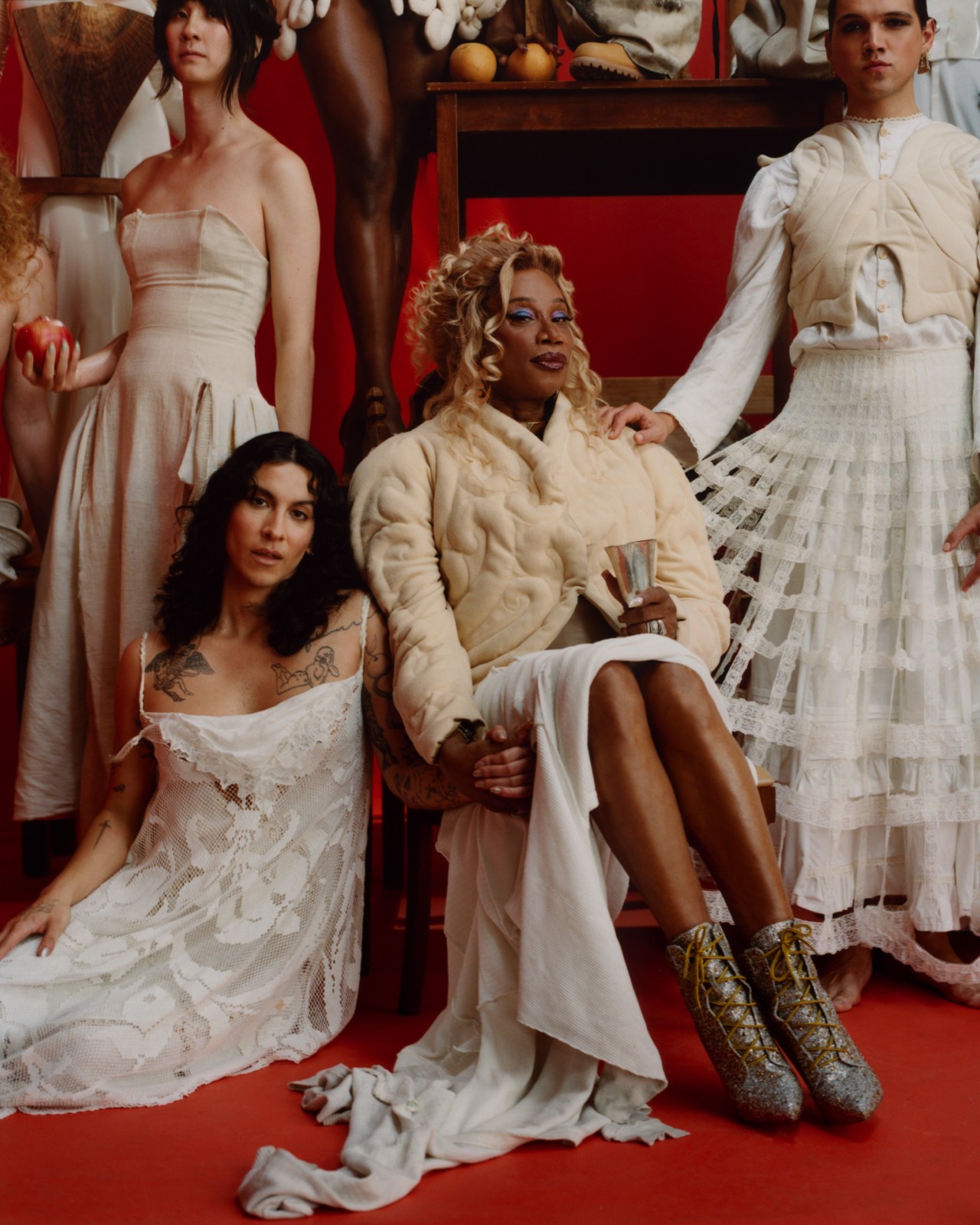
The Fruits We Bear: Portraits of Trans Liberation